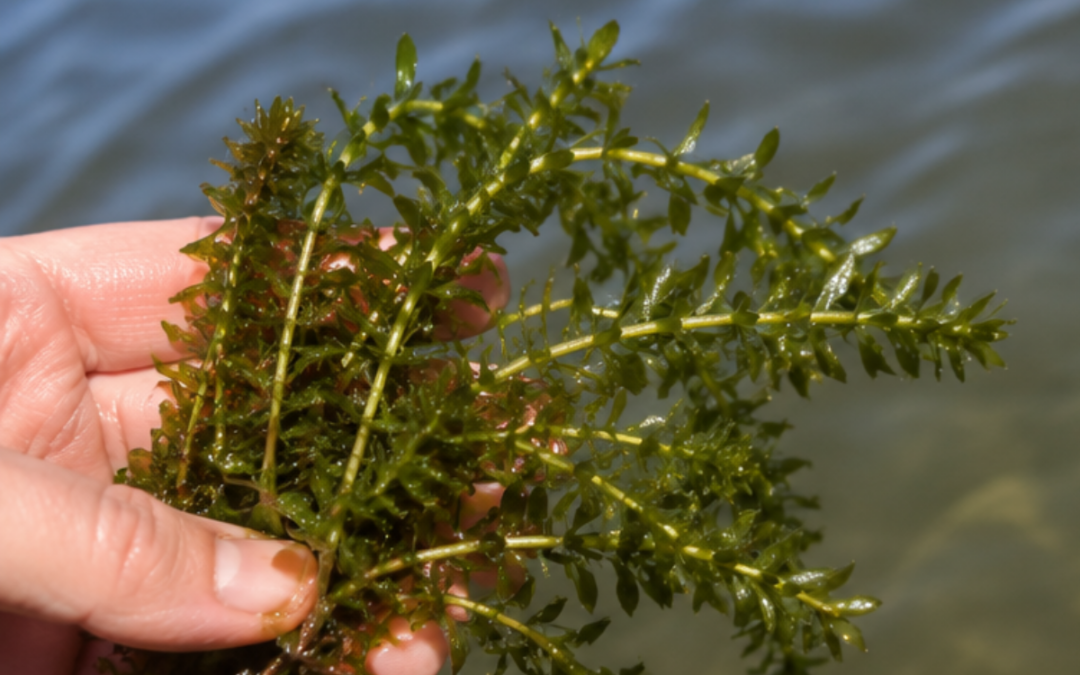
Hydrilla is one of the most aggressive aquatic weeds found in ponds and lakes across the Southeast. While some aquatic vegetation is beneficial for fish habitat, hydrilla is a different story. Left unmanaged, it can quickly spread throughout a pond, creating thick underwater mats that interfere with fishing, reduce water quality, and threaten the overall health of the fishery.
At TLC Perfect Pond, hydrilla is one of the aquatic weeds we most commonly manage. The goal isn’t to eliminate every aquatic plant from a pond, but hydrilla is one species that can rapidly get out of balance if left alone.
Understanding how hydrilla grows—and why early management is so important—can save pond owners significant time and expense in the future.
What Is Hydrilla?
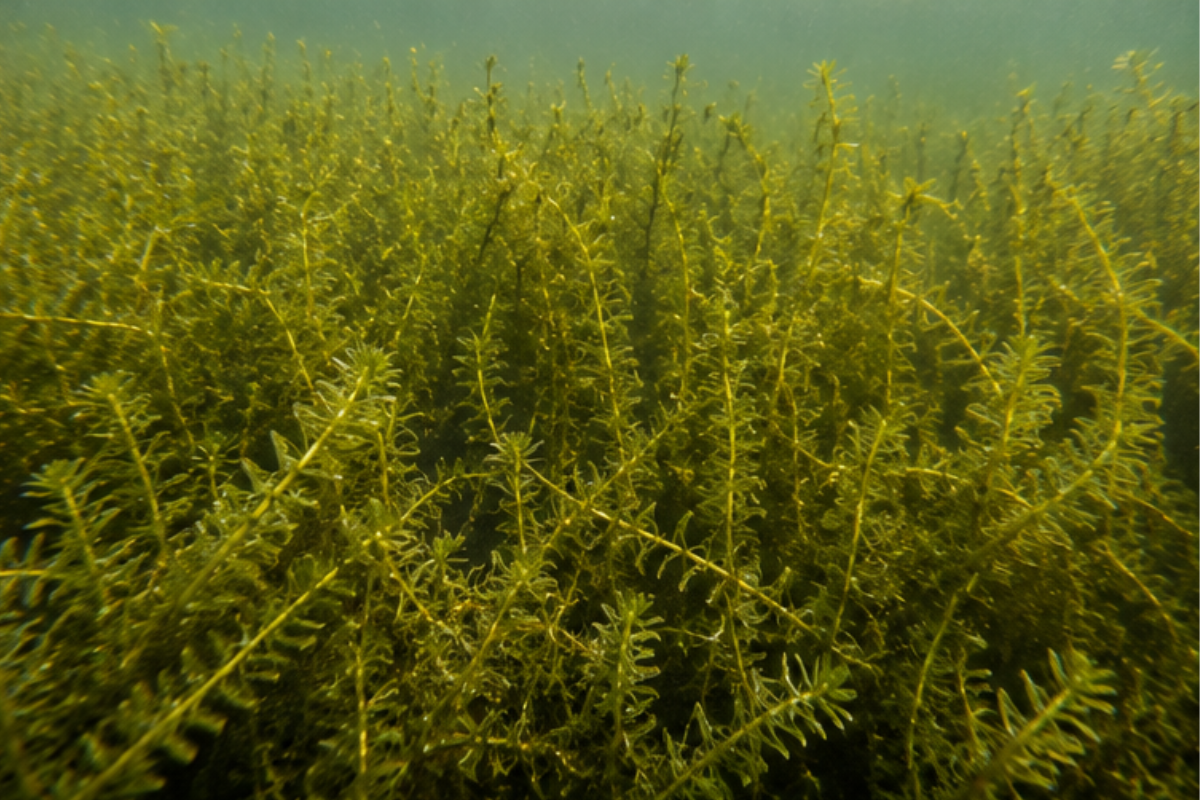
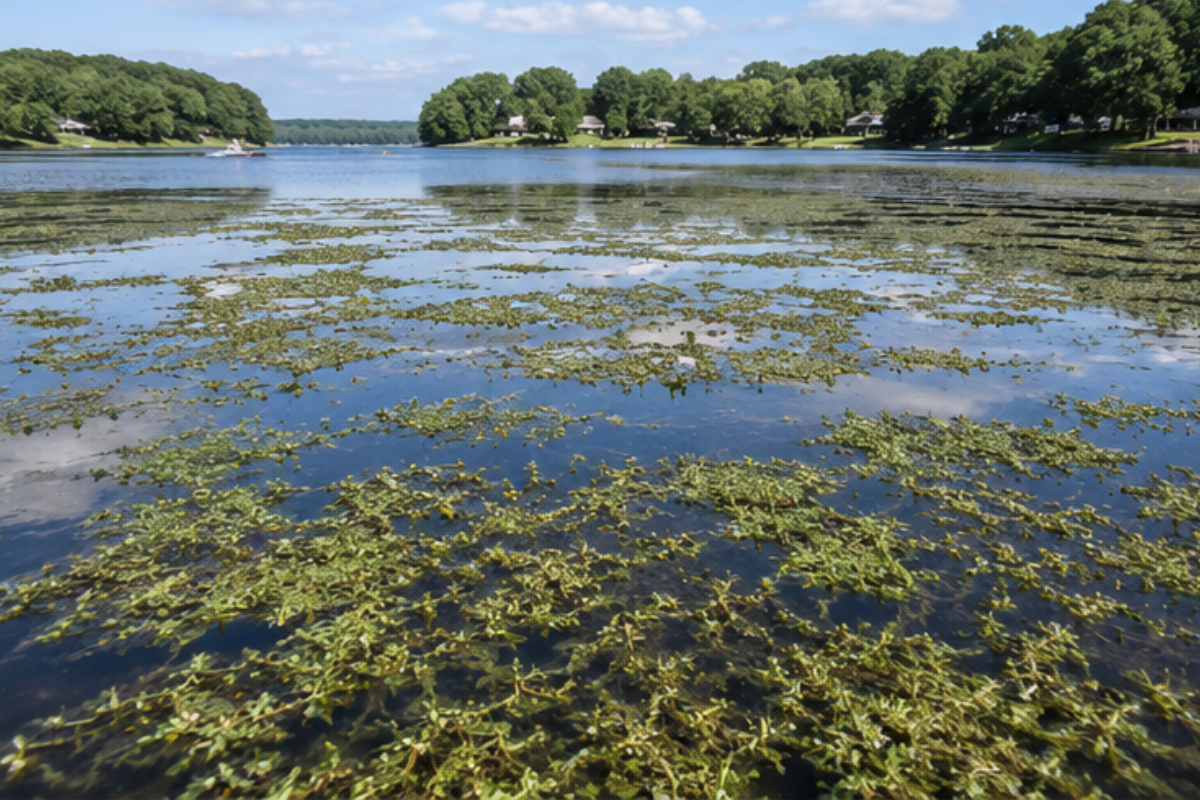
Hydrilla is a submerged aquatic plant that grows entirely underwater before eventually reaching the surface. As it continues growing, the stems branch repeatedly, creating dense mats that can cover large areas of a pond.
It is often confused with native aquatic vegetation because it initially appears as scattered patches beneath the water’s surface. However, hydrilla grows much more aggressively than most native plants and has the ability to dominate an entire pond if conditions are favorable.
Unlike floating weeds such as duckweed, hydrilla is rooted in the pond bottom while sending long stems upward through the water column. Once those stems reach the surface, they continue spreading horizontally, forming thick canopies that block sunlight from reaching deeper water.
Why Hydrilla Becomes a Problem
A moderate amount of aquatic vegetation can provide habitat for fish, insects, and other aquatic organisms. Hydrilla, however, rarely stays moderate for long.
As hydrilla expands, it begins crowding out native aquatic plants that contribute to a balanced ecosystem. The thick surface mats reduce water circulation and prevent sunlight from reaching lower portions of the pond.
One of the biggest concerns occurs when hydrilla covers large portions of a pond and then begins dying back naturally or after treatment. As bacteria decompose the dead vegetation, they consume dissolved oxygen from the water.
During the heat of summer, when dissolved oxygen levels are already under stress, this additional oxygen demand can create conditions that lead to fish kills.
Dense hydrilla can also trap sediment and organic debris, gradually creating shallower areas that encourage even more weed growth over time.
For anglers and recreational pond owners, hydrilla creates another obvious problem. Thick surface mats make casting difficult, foul trolling motors, clog boat propellers, and limit access to large portions of the pond.
How Hydrilla Spreads So Quickly
Hydrilla is incredibly difficult to control because it reproduces in several different ways.
The most common method is fragmentation. Small pieces of the plant break off from boat traffic, fishing activity, wildlife, or even strong winds. Each tiny fragment has the potential to root and establish a completely new colony elsewhere in the pond.
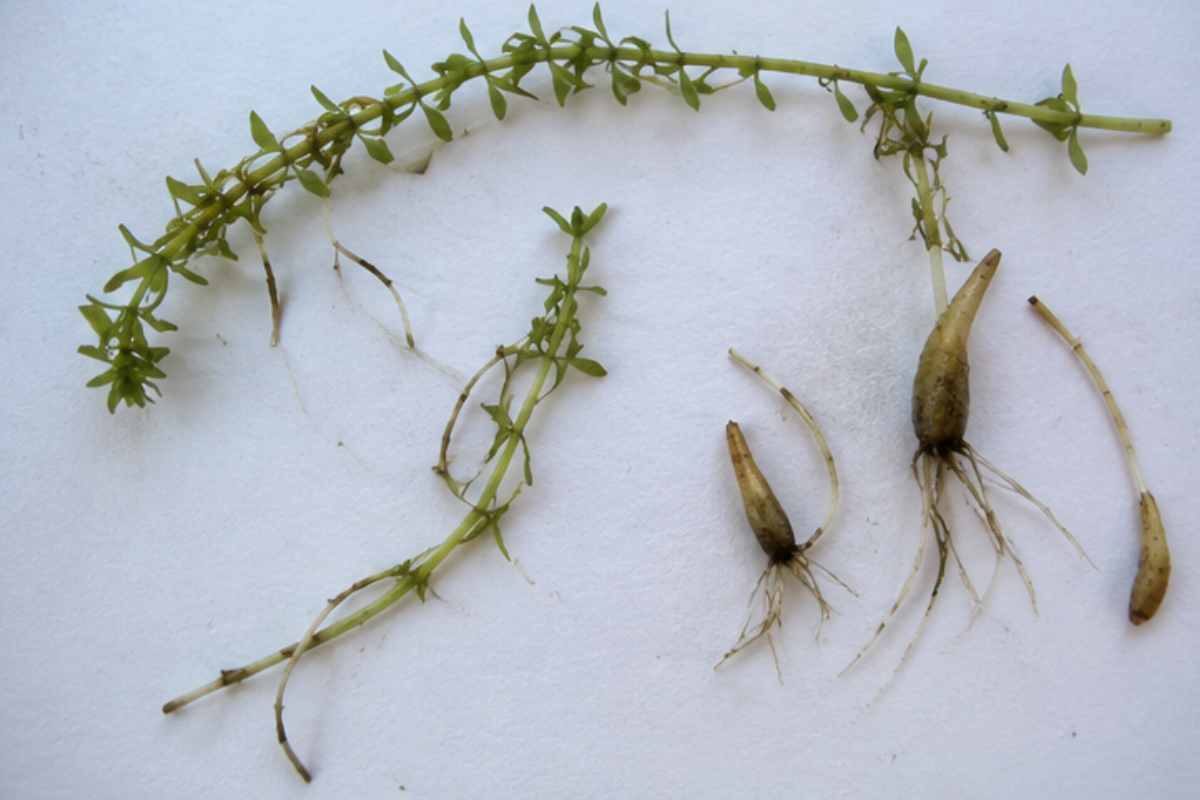
Hydrilla also produces underground tubers and turions—specialized structures that store energy and allow the plant to survive unfavorable conditions. Even if all visible vegetation is removed, these underground structures can sprout new plants months later.
Because of these multiple reproductive strategies, hydrilla infestations often return if they are not managed properly.
Why Hydrilla Requires Targeted Treatment
Since hydrilla grows beneath the water’s surface, effective management requires more than simply spraying the visible portions of the plant.
At TLC Perfect Pond, our treatments are designed to place herbicides directly into the water column where hydrilla is actively growing. This targeted subsurface application allows the product to contact the submerged stems and foliage while providing much better long-term control than surface spraying alone.
Equally important is treating hydrilla in stages when infestations become extensive.
Treating an entire pond full of hydrilla in a single application can result in massive amounts of decaying vegetation, causing dissolved oxygen levels to drop rapidly. Instead, large infestations are often divided into smaller treatment areas to help protect fish populations while gradually restoring a healthier balance.
Do Grass Carp Control Hydrilla?
One of the most common questions we receive is whether triploid grass carp can control hydrilla.
The short answer is yes—but with some important limitations.
Hydrilla is actually one of the preferred food sources for grass carp. Unlike some aquatic plants that grass carp largely ignore, hydrilla is highly palatable, especially when the fish are young and actively feeding.
However, grass carp should not be viewed as an instant solution.
It often takes several months before stocked grass carp begin making a noticeable impact on hydrilla populations. During that time, the weed may continue spreading rapidly. In ponds with severe infestations, herbicide treatments are frequently needed first to reduce the hydrilla to manageable levels before grass carp can provide long-term maintenance.
Stocking rates are also critical. Too few grass carp may have little effect on hydrilla, while too many can eliminate nearly all desirable aquatic vegetation, reducing fish habitat and affecting the overall balance of the pond.
For that reason, grass carp work best as one component of a comprehensive vegetation management plan rather than as a standalone solution.
Managing Hydrilla Before It Takes Over
Hydrilla is much easier—and less expensive—to control when infestations are caught early.
Small patches can often be managed before they spread throughout an entire pond. Once hydrilla becomes established across dozens of acres, treatment becomes significantly more complex and typically requires multiple years of management.
At TLC Perfect Pond, we evaluate every pond individually before recommending a treatment plan. Whether that involves targeted herbicide applications, grass carp, or a combination of both, our goal is always the same: maintain the proper balance between healthy fish habitat and effective aquatic vegetation control.
With early intervention and a long-term management strategy, hydrilla can be controlled before it overwhelms your pond, allowing you to enjoy healthier water, better fishing, and a more productive fishery for years to come. If you’re in South Georgia or North Florida and need help managing excessive vegetation in your pond, contact us here to schedule a time to meet and address any issues you’re having with your pond or lake.