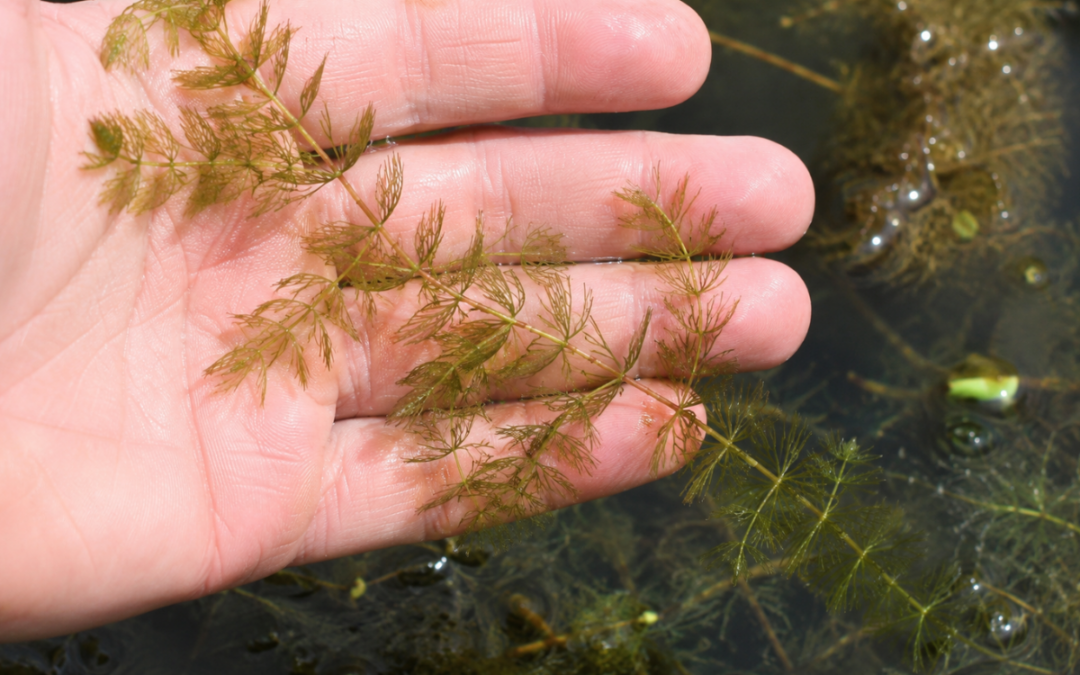
Watermilfoil is one of the most common aquatic weeds we encounter while managing ponds and small lakes throughout the Southeast. If you’ve followed TLC Perfect Pond on social media, you’ve probably seen videos of us treating heavy infestations of watermilfoil. We’ve also received plenty of comments from anglers who believe we’re destroying excellent fish habitat.
The truth is that they’re partially right.
A moderate amount of watermilfoil can benefit a pond by providing cover for fish and habitat for aquatic insects. However, when watermilfoil grows unchecked and begins dominating large areas of a pond, it can create serious water quality problems that threaten the overall health of the fishery.
Like many aspects of pond management, success isn’t about eliminating every plant—it’s about maintaining the proper balance.
Why Watermilfoil Can Be Beneficial
Watermilfoil, sometimes simply called milfoil, is a submerged aquatic plant that grows from the pond bottom toward the surface. Unlike floating plants such as duckweed, watermilfoil remains rooted in the sediment while producing dense underwater stems and feathery leaves.
Those underwater stems create valuable habitat for young bluegill and other forage species. Aquatic insects thrive among the vegetation, providing another important food source. Largemouth bass often use the edges of watermilfoil beds as ambush points, making these areas productive fishing locations.
This is why many fishermen associate watermilfoil with good fishing.
The problem begins when the plant expands far beyond those healthy patches.
What Happens When Watermilfoil Takes Over
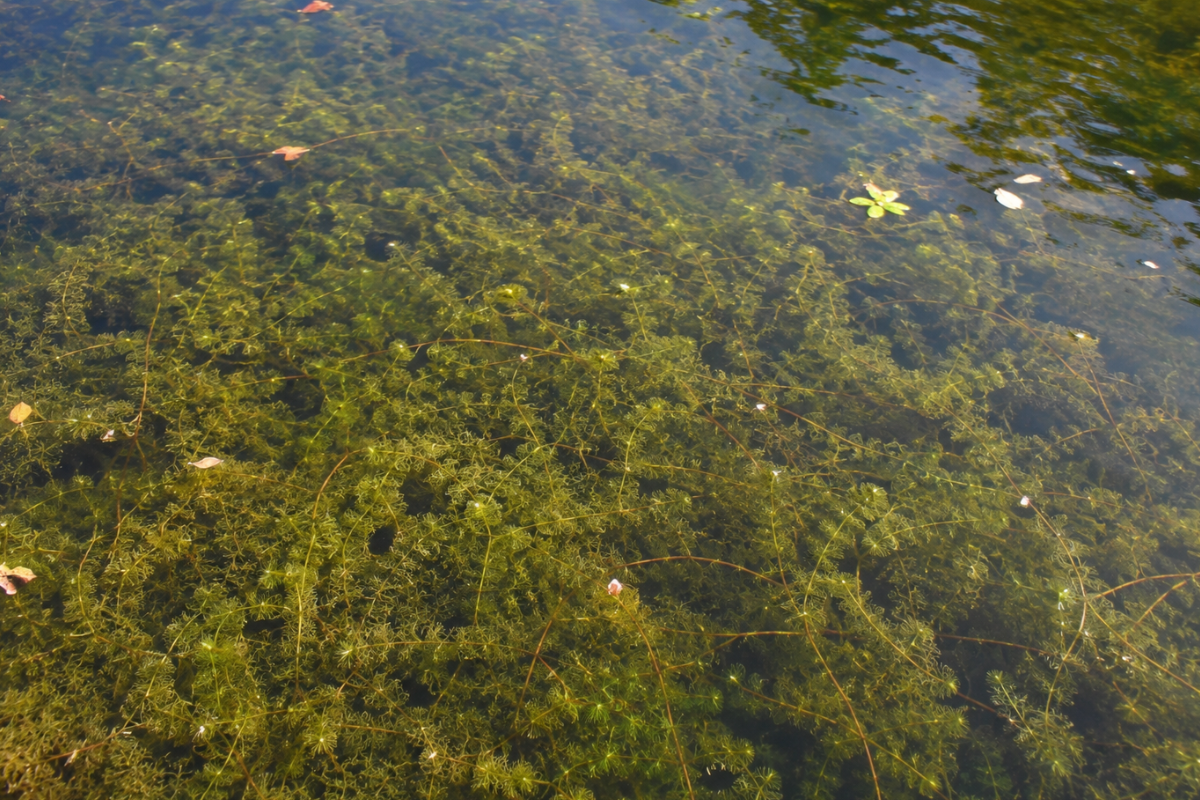
Watermilfoil is an incredibly aggressive grower. Under favorable conditions, it can spread across large portions of a pond in a single growing season, forming thick underwater forests that eventually reach the surface.
As these dense beds expand, they begin crowding out other beneficial aquatic plants and reducing the diversity of the pond ecosystem. Water circulation decreases, and sunlight has difficulty reaching deeper areas of the pond.
Perhaps the biggest concern is what happens when large amounts of watermilfoil die.
Whether the vegetation dies naturally after seasonal changes or is damaged by environmental stress, the decaying plant material consumes significant amounts of dissolved oxygen as bacteria break it down. During the hot summer months, when oxygen levels are already under pressure, this additional oxygen demand can place tremendous stress on fish populations.
In severe cases, oxygen depletion can contribute to fish kills, especially in ponds where excessive vegetation covers much of the surface.
Heavy infestations can also trap organic matter and sediment, allowing muck to accumulate on the pond bottom over time. This creates an even richer environment for future weed growth, making the problem progressively worse if left unmanaged.
How Watermilfoil Spreads So Quickly
One reason watermilfoil is so difficult to control is its ability to reproduce through fragmentation.
Small pieces of the plant can break off naturally from wave action, boat traffic, wildlife, or even fishing activity. Those fragments drift through the pond until they settle in a new location, where they can develop roots and establish entirely new colonies.
Watermilfoil can also spread from one pond to another when plant fragments cling to boats, trailers, equipment, or even waterfowl moving between water bodies.
Because each small fragment has the potential to become a new plant, infestations often expand much faster than pond owners expect.
Why Watermilfoil Requires Specialized Treatment
Unlike floating weeds that sit on the surface, watermilfoil grows almost entirely underwater. That means simply spraying the top of the vegetation rarely provides effective long-term control.
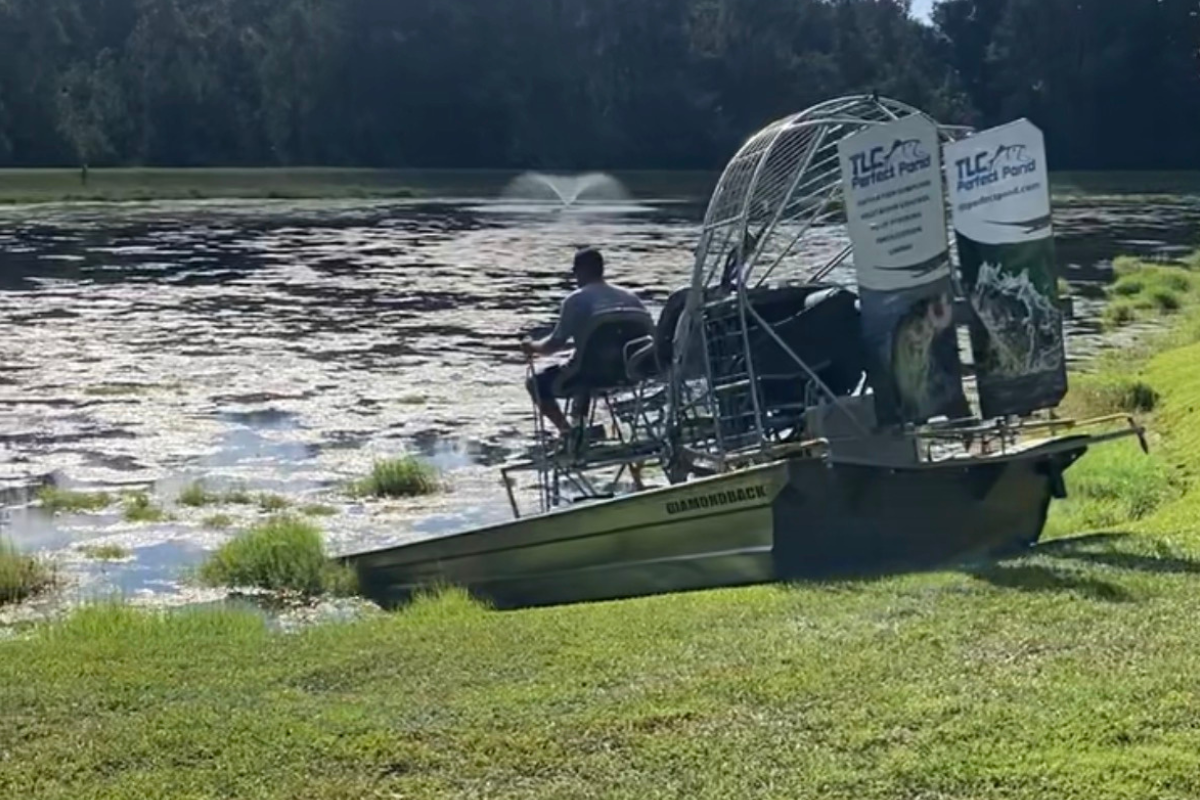
At TLC Perfect Pond, we use specialized subsurface application techniques that place the herbicide directly into the water column where the plant is actively growing. This allows the treatment to contact the submerged stems and foliage rather than just the small portions visible at the surface.
This approach provides more effective control while reducing unnecessary herbicide use.
Equally important is treating the infestation strategically.
When excessive watermilfoil covers a large percentage of a pond, treating the entire infestation at one time can cause too much vegetation to decompose simultaneously. As bacteria break down the dead plant material, oxygen levels can decline rapidly.
That’s why we often recommend treating heavy infestations in stages. By removing portions of the vegetation over time, we help protect dissolved oxygen levels while gradually restoring a healthier balance within the pond.
Managing Watermilfoil for a Healthier Pond
Our goal is never to eliminate every aquatic plant from a pond. Healthy fisheries depend on aquatic vegetation for cover, forage production, and habitat.
Instead, we focus on maintaining the right amount of watermilfoil so it continues providing benefits without overwhelming the pond. Through careful evaluation, targeted subsurface applications, and long-term management strategies, it’s possible to keep this aggressive weed under control while preserving a productive fishery.
When managed properly, your pond can support healthy fish populations, maintain good water quality, and continue providing outstanding recreational opportunities for years to come.
At TLC Perfect Pond, we evaluate each pond individually before recommending a treatment plan. Every pond is different, and the goal is never to eliminate beneficial habitat unnecessarily. Instead, we work to maintain the proper balance so your pond remains healthy, productive, and enjoyable for years to come.
If you’re in South Georgia or North Florida and need help managing excessive vegetation in your pond, contact us here to schedule a time to meet and address any issues you’re having with your pond or lake.