

When the time changes each fall, most people think about resetting their clocks—but pond owners should also be thinking about their bluegill feeding schedule. As daylight hours shift, automatic fish feeders that once dispensed feed at the perfect time may now be feeding after dark.
That small oversight can affect fish growth, waste feed, and even impact the balance of your pond’s ecosystem. Feeding your bluegill on the right schedule is one of the simplest and most effective pond management tools available, but only if the timing matches natural daylight hours.
Let’s look at why feeding bluegill is so important, what the ideal bluegill feeding schedule looks like, and why it’s critical to adjust your feeders when the time changes.
Why a Bluegill Feeding Schedule Is So Important
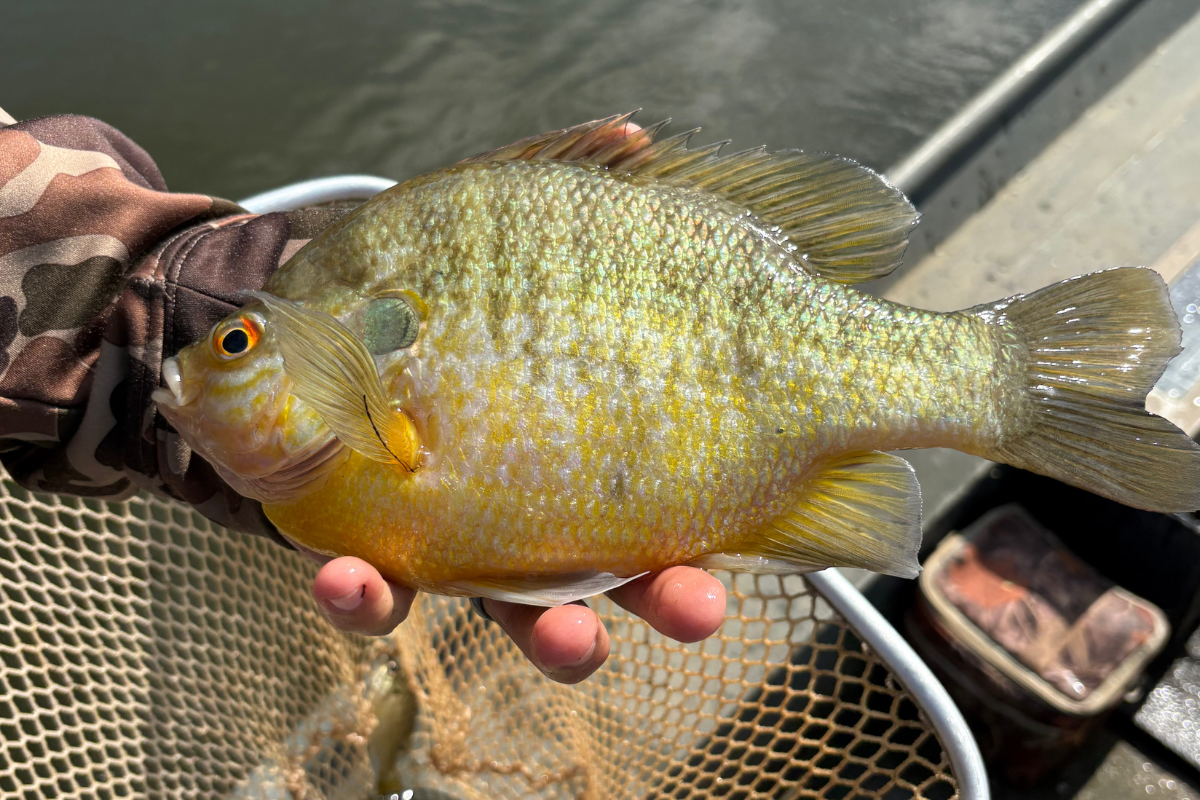
Your bluegill are the backbone of your pond’s food chain. They’re the primary forage species for largemouth bass and play a vital role in maintaining a healthy fish population. A consistent bluegill feeding schedule helps ensure your bluegill grow fast, stay healthy, and reproduce more successfully—providing the steady food supply your bass need to reach trophy size.
Supplemental feeding with a high-quality floating fish pellet supports rapid growth and improved body condition. Bluegill that are fed regularly spawn more often and produce stronger offspring. That results in more forage for bass and a balanced predator–prey ratio.
In addition, following a consistent bluegill feeding schedule can improve water quality. Well-fed bluegill rely less on natural algae or insect larvae for food, which helps stabilize the pond ecosystem and prevent imbalances that can lead to excessive vegetation or algae growth.
Why You Should Never Feed After Dark
If you haven’t adjusted your bluegill feeding schedule since the time change, there’s a good chance your feeders are now running after sunset. That’s a problem because fish simply don’t feed well in the dark.
Bluegill locate pellets by sight, so when the sun sets, their ability to feed effectively drops dramatically. Feed that lands on the water after dark typically goes uneaten, sinking to the bottom or being eaten by unwanted species like catfish, turtles, or frogs.
Not only is that wasted feed and wasted money—it can also create water quality issues. Uneaten feed decomposes and adds excess nutrients to the pond, which can fuel algae blooms and lower oxygen levels. By keeping your bluegill feeding schedule aligned with daylight hours, you ensure feed is used efficiently and your pond stays cleaner and healthier.
How to Adjust Your Bluegill Feeding Schedule After the Time Change
When daylight saving time ends and clocks “fall back,” your automatic fish feeder doesn’t know the difference—it continues to run on the same clock setting. That means what used to be a 5:00 p.m. feeding may now occur at 4:00 p.m., and your morning feeding may happen before sunrise.
Here’s how to fine-tune your bluegill feeding schedule for the season:
- Check your current settings. Look at your feeder’s digital clock and note when it’s releasing feed compared to actual sunrise and sunset times.
- Adjust feeding times for daylight. Shift your feedings to occur during full daylight—ideally between 30 minutes after sunrise and 30 minutes before sunset.
- Observe fish activity. Watch your bluegill during feeding. If you see leftover feed floating or little feeding activity, you may need to tweak the timing or reduce the amount.
A few minutes of adjustment can make a big difference in feed efficiency and fish health throughout the fall and winter months.
The Benefits of Maintaining a Consistent Bluegill Feeding Schedule
Keeping a regular bluegill feeding schedule throughout the year has multiple benefits beyond just faster fish growth. It helps:
- Improve bluegill body condition and encourage frequent spawning.
- Support healthy bass populations by providing abundant, nutritious forage.
- Enhance water quality by reducing leftover feed and nutrient buildup.
- Increase feeding efficiency and minimize waste.
- Establish predictable feeding behavior, making fish easier to observe and manage.
Many pond owners notice that fish begin to “anticipate” feedings when they’re fed at the same times every day. That consistency keeps feeding activity high and makes population monitoring easier.
A Small Adjustment That Makes a Big Impact
As the seasons change and daylight hours shift, taking the time to adjust your bluegill feeding schedule ensures your pond management program stays on track. It’s one of the simplest maintenance steps you can take, but it pays off in better fish growth, cleaner water, and more enjoyable fishing year-round.
Feeding your bluegill on a proper schedule supports the entire pond ecosystem—from forage fish to trophy bass. And keeping that feeding schedule in sync with natural daylight keeps your pond running efficiently through every season.
So as you change your clocks this fall, don’t forget to adjust your bluegill feeding schedule too. Your fish (and your wallet) will thank you.
Need Help Managing Your Bluegill Feeding Schedule?
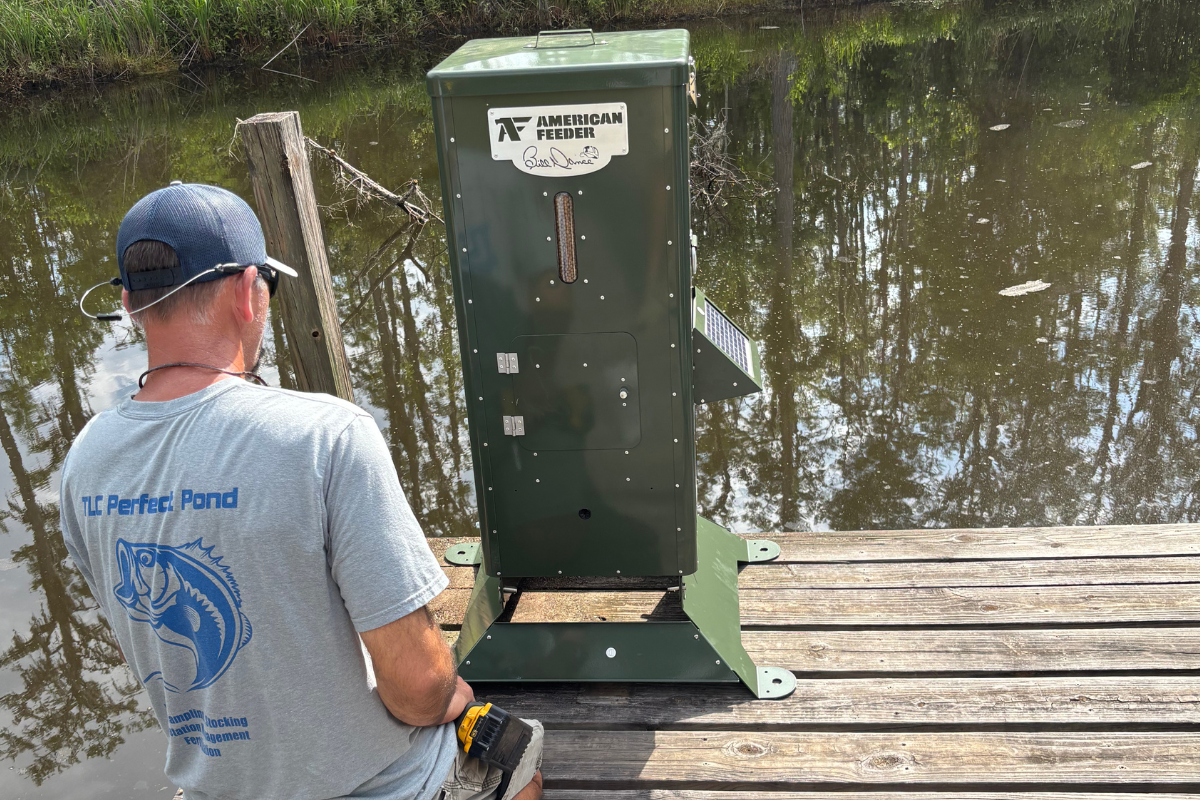
If you’re unsure about your bluegill feeding schedule, feeder setup, or feed type, our team can help. We offer professional feeder installation, feed delivery, and customized feeding plans for bluegill and bass to maximize your pond’s growth potential.
Contact TLC Perfect Pond today to schedule a feeder service check or to create a personalized bluegill feeding schedule that keeps your fish healthy and your pond thriving year-round. Complete this form and we’ll contact you to schedule a time to meet.