

Stocking a pond isn’t just about dumping fish into the water and hoping for the best—it’s a science-driven process that requires careful planning, timing, and execution. At TLC Perfect Pond, we use two distinct stocking methods depending on the size and type of fish being introduced. Each method is designed to maximize fish survival, reduce stress, and ensure long-term success for your fishery.
In this blog, we’ll break down the two main stocking methods we use: the high-volume approach for small fish and the delicate acclimation process for larger bluegill and bass. Whether you’re building a new pond in South Georgia or enhancing an existing one in North Florida, understanding these techniques will help you appreciate the care and expertise that go into every fish we deliver.
Stocking Method #1: The High-Volume Approach for Small Fish
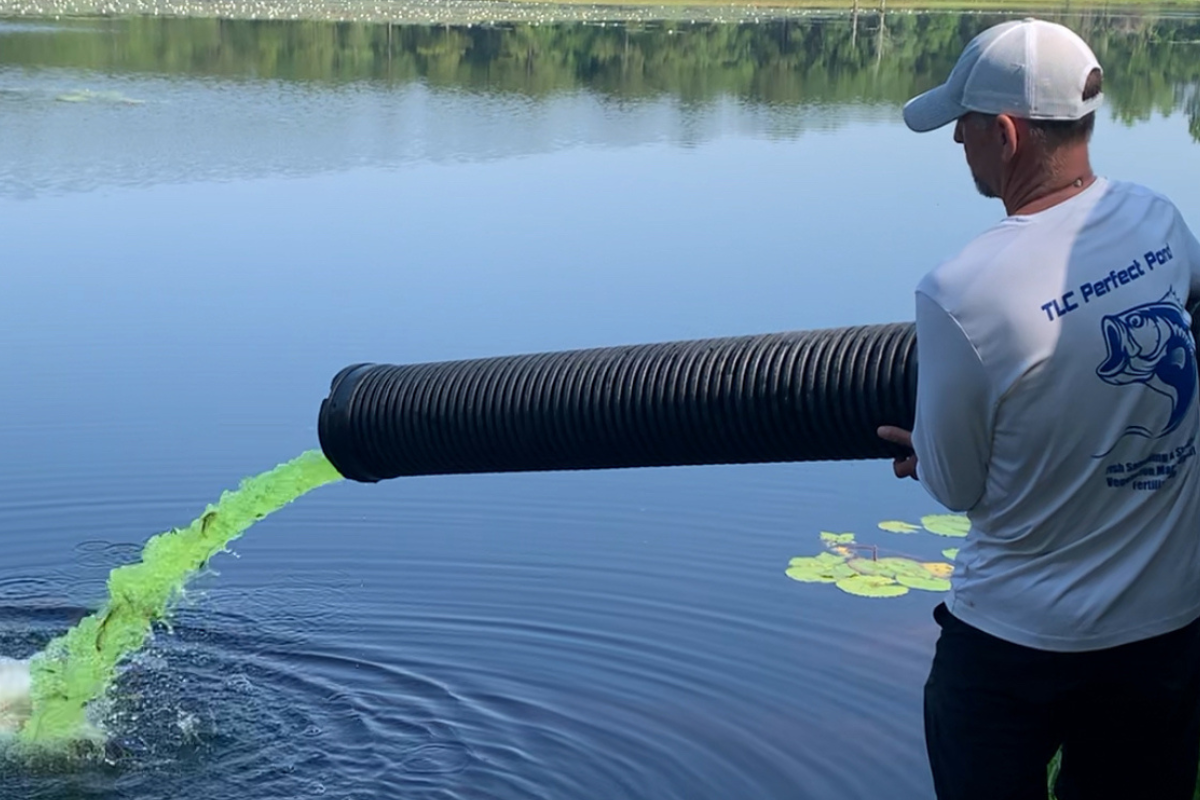
When stocking large numbers of small fish—like fingerling bluegill or redear sunfish—we use a traditional fish stocking truck equipped with a long pipe that extends directly over your pond or lake.
How It Works:
- Fish are held in specialized compartments within a temperature-controlled, aerated tank on the truck.
- Each compartment is opened individually, and water pressure pushes the fish through a smooth pipe that extends into the pond.
- The fish “slide” down this pipe and enter the water quickly and efficiently, minimizing handling stress.
This stocking method is ideal when:
- You’re introducing hundreds of small fish at once.
- Time and efficiency are critical.
- Fish are hardy enough to withstand brief handling without individualized care.
Why It Works:
Small fish are generally more resilient and bounce back quickly from transport. This technique gets them in the water fast and with minimal stress, allowing them to disperse, hide from predators, and begin adjusting to their new environment right away.

Stocking Method #2: A Gentle, Hands-On Approach for Larger Fish
Stocking larger fish—especially adult bluegill or largemouth bass—requires a far more delicate touch. These fish are more expensive, more sensitive to environmental changes, and more prone to injury during handling. That’s why TLC Perfect Pond uses a precise, multi-step stocking method designed to protect every individual fish.
Step-by-Step: Our Professional Process
-
Transport in Aerated Holding Tanks:
The fish are transported in large holding tanks equipped with high-capacity aerators that maintain optimal oxygen levels throughout the trip. -
Water Acclimation:
Once we arrive at your pond, we remove approximately half of the water from the holding tank and slowly replace it with water from the pond. This allows the fish to gradually adjust to the temperature, pH, and other water chemistry differences in their new environment. -
Adding a Sedative:
To prevent injury, we add a low-dose fish sedative to the tank. This calms the fish and reduces overactivity, which helps avoid the scale loss, fin damage, or shock that can occur during netting and release. -
30-Minute Acclimation Period:
The fish remain in the tank for about 30 minutes after pond water is added. This critical waiting period gives them time to stabilize and adapt. -
Careful Netting and Stocking:
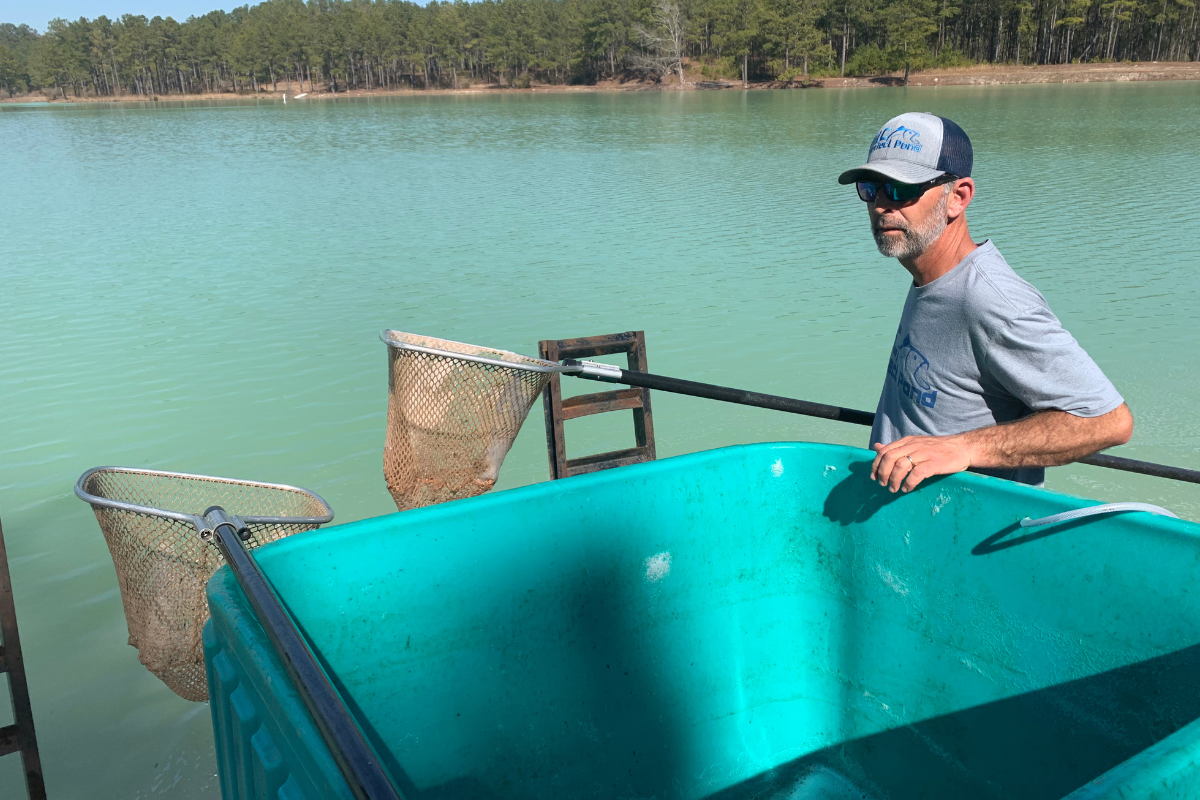
After the fish are fully acclimated, they are gently netted from the tank and released into the pond by hand—one small group at a time. This ensures a calm entry and dramatically increases survival rates.
Why This Method Matters:
When stocking larger fish, you’ve likely invested significant resources into building a quality fishery. Using this careful stocking method protects your investment by reducing stress, limiting mortality, and promoting fast adaptation to the new pond environment.
Why We Use Different Stocking Methods
At TLC Perfect Pond, our goal is always the same: to deliver healthy, thriving fish to your pond. But the way we get there depends on the size, age, and sensitivity of the fish being stocked.
- High-volume fish (small bluegill, minnows, etc.) are best introduced with the efficient pipe-based system that minimizes handling time and spreads fish evenly across the water.
- High-value fish (larger bluegill, trophy bass) require a methodical and gentle approach that prioritizes survival over speed.
By choosing the right stocking method for each situation, we ensure that your pond develops into the balanced and productive fishery you’re aiming for.
Trust the Professionals at TLC Perfect Pond
Fish stocking is more than just a delivery service—it’s a vital step in the long-term management of your pond. Whether you’re starting fresh or enhancing an existing population, choosing the correct stocking method can make all the difference.
At TLC Perfect Pond, we don’t take shortcuts. We understand that every pond is different and every fish matters. Our team brings years of experience, professional equipment, and a commitment to detail that ensures your pond is stocked the right way, every time.
If you’re in the south GA or north FL region and need help managing the fish populations in your pond, complete this form and we’ll contact you to schedule a time to meet.