

If you’ve recently built a new pond in South Georgia or North Florida—or if you’re looking to rebuild a struggling fish population—fall stocking is one of the best moves you can make. This time of year is ideal for establishing bluegill, which serve as the backbone of a healthy pond ecosystem, especially one intended for largemouth bass fishing.
Let’s take a closer look at why stocking bluegill in the fall sets your pond up for long-term success and why delaying bass introduction until the following spring is the key to a balanced fishery.
The Importance of Bluegill in a Pond Ecosystem
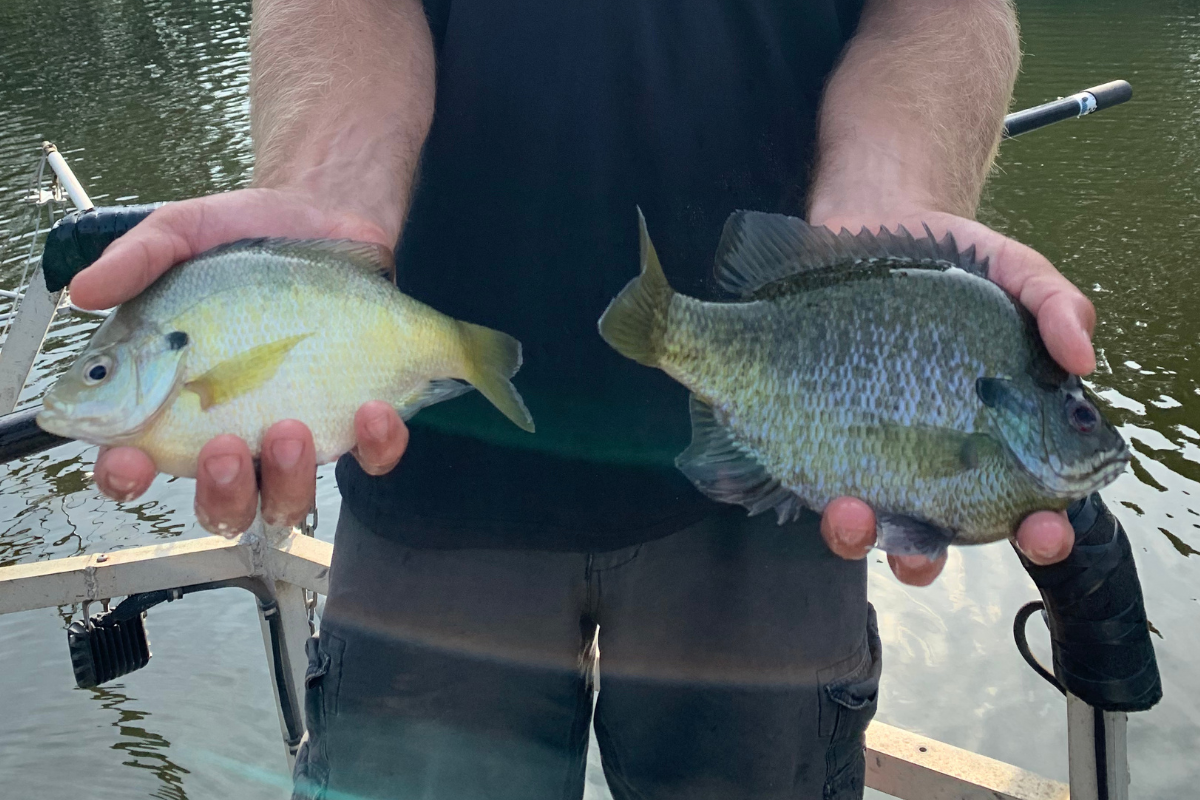
Bluegill are a foundational forage species in recreational ponds throughout the Southeast. Not only are they fun to catch and good to eat, but they also provide essential food for predator species like largemouth bass.
A well-established bluegill population ensures that your bass will have plenty to eat, which helps them grow faster and maintain healthy body condition. Without a strong bluegill base, bass often become stunted due to lack of available prey.
Why Fall Stocking Works So Well
There are several reasons why fall stocking is ideal for bluegill:
1. Bluegill Spawn Multiple Times a Year
Unlike many freshwater fish that spawn once annually, bluegill can spawn several times a year—especially in warm climates like South Georgia and North Florida. Fall-stocking fingerling or adult bluegill gives them time to acclimate and take advantage of at least one more spawning cycle before winter arrives. This means more offspring and a better forage base before predator species are introduced.
2. No Predation Pressure from Bass
Stocking bass at the same time as bluegill can be a costly mistake. Bass are aggressive feeders and will quickly eat small bluegill, often before they’ve had a chance to reproduce. By delaying bass introduction until the following spring, you give bluegill time to mature, spawn, and increase their numbers. This creates a strong, self-sustaining forage base by the time bass arrive.
3. Cooler Water Means Less Stress
Fall brings cooler temperatures, which are less stressful on newly stocked fish. Lower water temperatures improve oxygen levels and reduce the risk of disease or transport-related stress. Bluegill stocked in the fall tend to have higher survival rates compared to those stocked in the heat of summer.
4. Gives You a Head Start on a Balanced Fishery
By the time spring rolls around, a fall-stocked bluegill population will have already established itself and produced offspring. This gives your pond a major head start and shortens the timeline to having a fun, fishable pond full of healthy bass and bream.
The Ideal Stocking Schedule
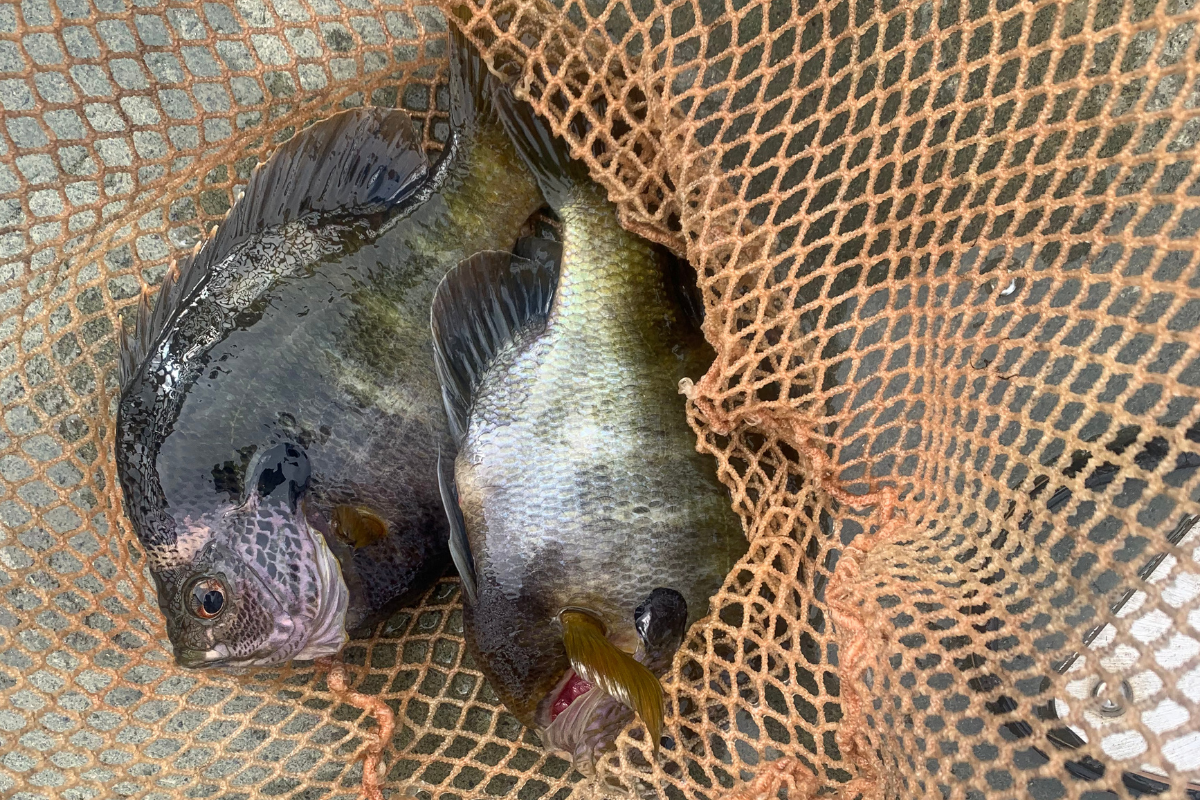
For new ponds or pond renovations, we recommend the following fall stocking schedule:
- Fall (September–November): Stock bluegill (along with redear sunfish if desired) and fathead minnows. These species will spawn and multiply before bass are introduced.
- Spring (March–May): Introduce largemouth bass fingerlings once the bluegill population is established.
This staggered approach mimics natural population development and sets the stage for a well-balanced and productive fishery.
Let Up Help with Your Pond!
If you’re planning a new pond or want to improve an existing one, fall is the time to act. At TLC Perfect Pond, we offer professional fish stocking services, including high-quality bluegill fingerlings, site evaluation, and guidance on proper fish ratios for long-term pond health.
Don’t miss the opportunity to get your pond off to the best possible start. Contact us today to schedule your fall stocking and take the first step toward a thriving, fish-filled future.
If you’re in the south GA or north FL region and need help managing the fish populations in your pond, complete this form and we’ll contact you to schedule a time to meet.