Water Quality and Pond Chemistry Articles
Water quality is the foundation of every healthy pond ecosystem. At TLC Perfect Pond, we help pond owners better understand pond chemistry, dissolved oxygen levels, nutrient balance, alkalinity, and other key water quality factors that influence fish health and pond productivity. Poor water quality can lead to algae blooms, fish kills, muddy water, and overall pond decline if left unmanaged.
Our water quality and pond chemistry resources cover aeration systems, pond fertilization, liming, oxygen management, nutrient control, and seasonal water quality monitoring. By maintaining proper pond chemistry and water conditions, pond owners can support healthier fish populations, improve water clarity, and create a more stable and productive pond environment throughout the year.
To see some of our water quality management videos, click here to visit our YouTube channel. If you’re having water quality issues in your pond or lake, contact us here and we’ll be in touch.
Applying Lime to Ponds vs. Fields: What’s the Difference and Why It Matters
When people hear the phrase applying lime, they often think about farm fields. For generations, farmers across South Georgia and North Florida have applied lime to improve soil conditions and...
Livestock and Pond Water Quality
Managing Ponds Located Near Livestock with TLC Perfect Pond Ponds located near livestock, especially cattle, are common across South Georgia and North Florida. While these ponds can be highly...
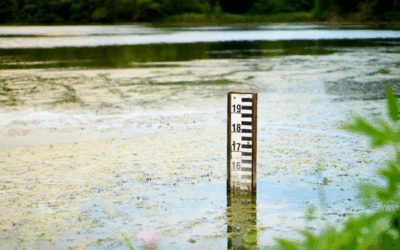
How Low Pond Water Level Impacts Fish Populations — And What to Do During a Drought
Across South Georgia, pond owners are facing one of the most challenging seasons in recent memory. After months of drought, the water level in many ponds has dropped lower than it has in years....

How to Tell if You Have a Healthy Pond
One of the most common questions we hear at TLC Perfect Pond is, “Is my pond healthy?” The truth is, there’s no universal definition of a “healthy pond.” Every pond is unique, with its own ecosystem...
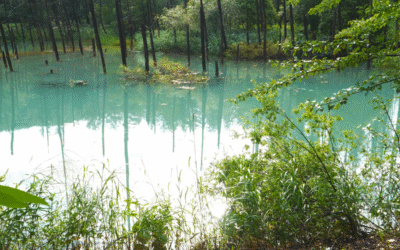
Pond Dye vs. Fertilizer: What’s the Better Way to Reduce Water Clarity?
Let’s take a closer look at why ultra-clear water can be problematic, and explore two common strategies to reduce water clarity: pond dye and fertilization. In the world of pond management, clear...
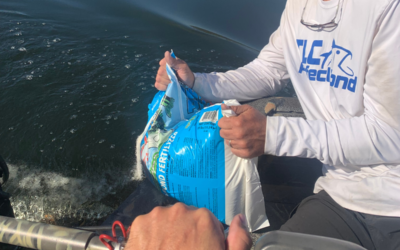
The Importance of Pond Fertilization
A well-maintained pond is more than just a body of water—it’s a thriving ecosystem that supports fish populations, aquatic plants, and beneficial microorganisms. One key factor in maintaining a...
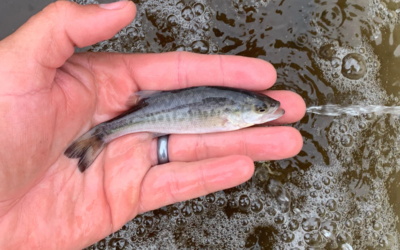
Comprehensive Year-Round Pond Management Guide
Managing a pond or lake is a long-term project that requires year-round attention. This is why many pond owners in south GA and north FL hire us to take care of some of these maintenance practices...
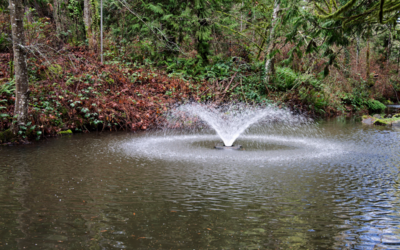
How Aerators and Fountains Can Prevent Pond Turnover and Improve Pond Health
Pond turnover, a natural phenomenon that can negatively impact the health of aquatic ecosystems, is often a major concern for pond owners. It occurs when layers of water in a pond or lake mix due to...
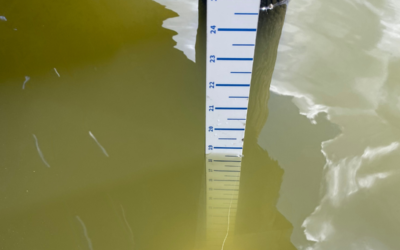
Water Clarity and the Issues It Can Cause in Ponds
When envisioning an ideal fishing pond, many people imagine clear, pristine waters teeming with healthy fish. However, overly clear water in a fishing pond can pose significant problems. While...
What Causes Low Dissolved Oxygen Levels in Ponds?
Our previous blog discussed the importance of dissolved oxygen (DO) in ponds and sources of dissolved oxygen. In this blog we'll dig deeper into the subject of dissolved oxygen and discuss variables...
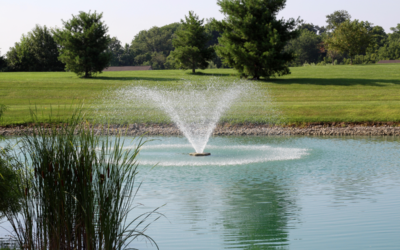
The Importance of Dissolved Oxygen in Ponds
Although most pond owners are primarily concerned with the health and growth of their fish populations, water quality is equally as important for the fish and other organisms in the pond. Key water...
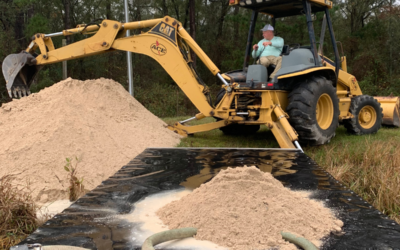
When Should You Add Lime to a Pond?
Does Your Pond Need Lime? Our previous blog post discussed the benefits of liming a pond which include increasing nutrient availability and buffering against daily pH swings in the pond water. If...
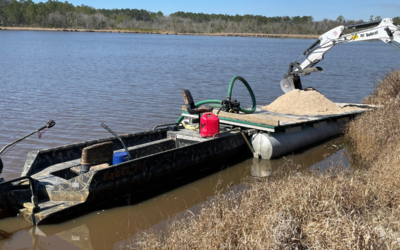
Why Does a Pond Need Lime?
How Does Lime Affect a Pond? You may have heard of lime being added to gardens or agricultural fields to improve fertility, but lime can also be extremely useful for ponds. Lime is used...
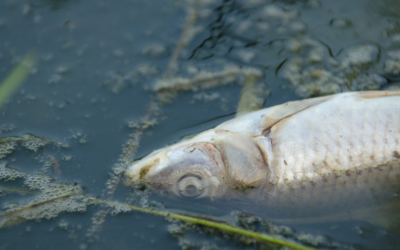
Pond Turnover and Fish Kills – What Causes It and What Can You Do?
On our previous blog post, we talked about the importance of pond fertilization. Nutrients (particularly nitrogen) in the water feed the phytoplankton populations, which are the base of the pond...
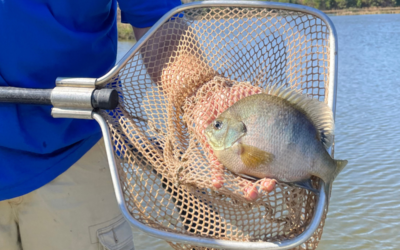
The Importance of Pond Fertility: Agricultural Ponds with Big Fish
Ever wonder why agricultural ponds tend to have a green color on the water surface? This green tint on the pond surface is a sign of high pond fertility that is usually a result of runoff. We see...