
Step 1: Test Water Quality for a Healthy Pond
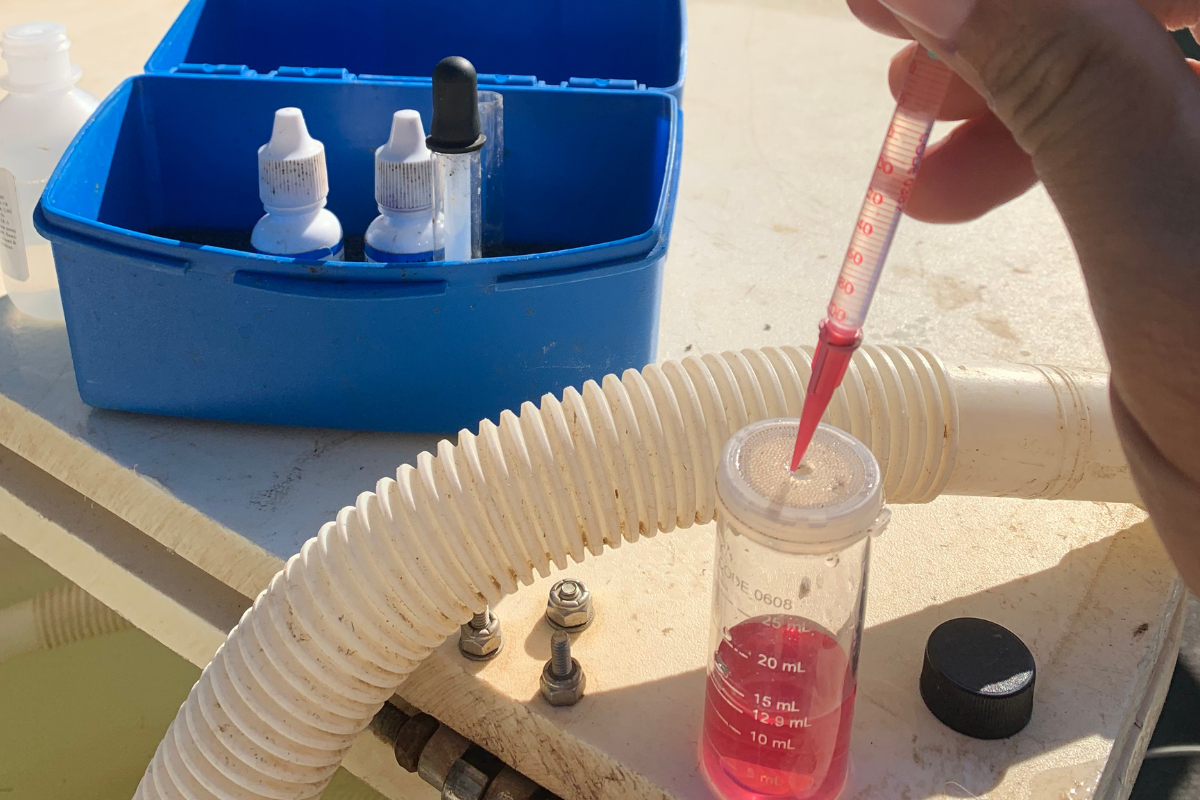
Water quality is the foundation of a healthy pond. By testing your water, you’ll get valuable insight into whether your ecosystem supports strong fish growth.What to Test For
Biologists focus on three key water quality indicators:- pH: Ideally between 6.5 and 9, though fish can survive slightly outside this range.
- Alkalinity: Measures the water’s ability to buffer pH swings. The optimal range is 65–150 mg/L CaCO₃.
- Total Hardness: Indicates levels of calcium, magnesium, and iron. The optimal range is 100–250 mg/L CaCO₃, with calcium being especially important for fish bone development.
How to Collect Samples
To take a proper water sample:- Submerge the bottle about 6 inches below the surface.
- Turn it sideways so the air escapes and water fills the bottle.
- A single full bottle is usually enough for testing.
Step 2: Habitat Analysis for a Healthy Pond
Fish need more than just water to survive—they need suitable habitat. Evaluating your pond’s habitat helps ensure your fishery has the structure and cover required for growth and sustainability.
How Much Habitat Do You Need?
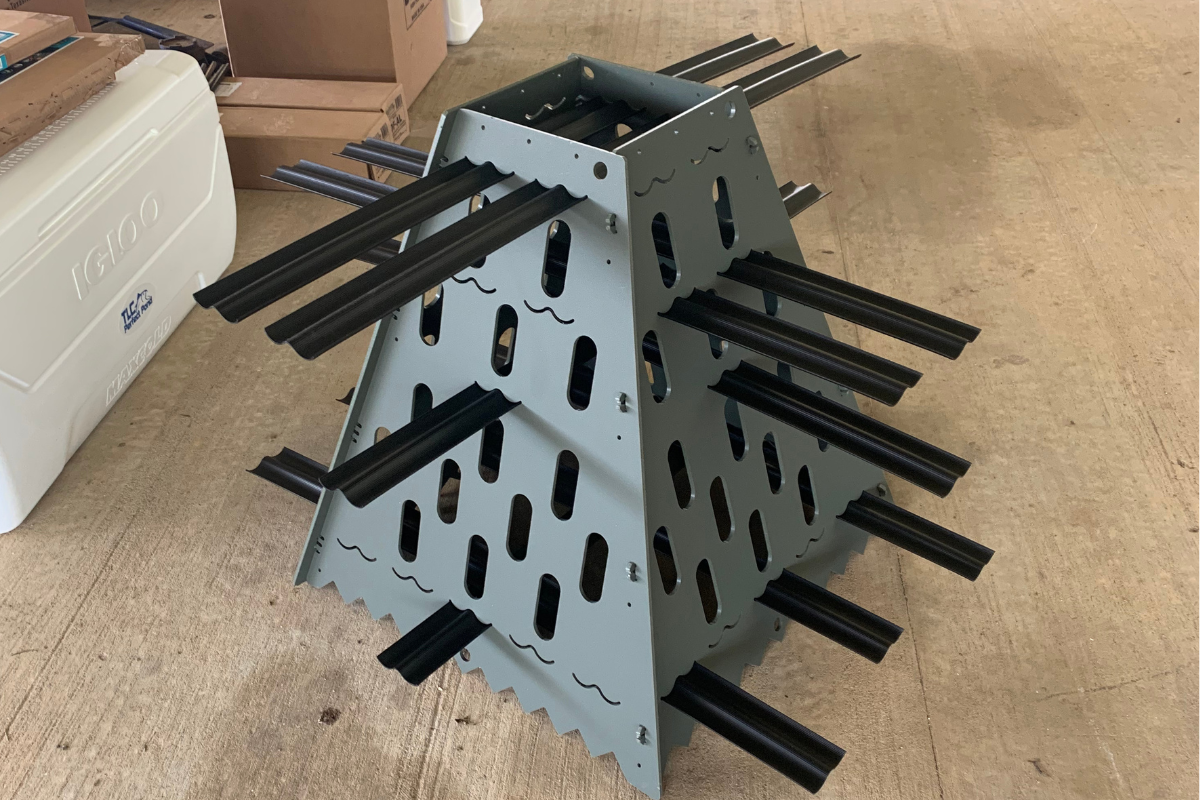
We recommend that 10–15% of your pond’s surface area be covered with habitat. This can include natural materials like hardwoods and cedars or artificial structures designed for long-term use.
Habitat Placement Matters
Habitat should be distributed at various depths, giving fish places to hide and feed during seasonal changes. Shallow nursery habitat is especially important for fry and juvenile fish, as it provides shelter from predators and boosts survival rates.
Don’t Forget Erosion Control
A truly healthy pond isn’t just about what’s in the water—it’s also about what’s around it. Controlling shoreline erosion reduces sedimentation and prevents excess nutrients from washing into the pond. Without erosion control, you risk cloudy water, nuisance vegetation growth, and even fish kills caused by oxygen depletion.
Step 3: Electrofishing Surveys to Measure Pond Health
The most accurate way to determine whether you have a healthy pond is through an electrofishing survey. This professional service provides a snapshot of your pond’s fish population and overall balance.
What Electrofishing Reveals
-
Predator-to-forage ratios
-
Age and size distribution of fish populations
-
Growth rates compared to length and weight data
This information allows biologists to identify whether your pond is balanced or if adjustments—like supplemental stocking or selective harvest—are needed. By fine-tuning fish populations, we help your pond reach its full potential for both sustainability and fishing quality.

Building and Maintaining a Healthy Pond
At the end of the day, a healthy pond is one that supports your goals—whether that’s trophy bass, family fishing, or simply a beautiful, well-balanced ecosystem. By testing water quality, analyzing habitat, and performing professional surveys, you’ll gain the knowledge you need to keep your pond on the right track.
At TLC Perfect Pond, we provide all the tools and expertise necessary to evaluate, restore, and maintain your pond’s ecosystem. From water testing and habitat installation to full electrofishing surveys, we’ll help you create and sustain a truly healthy pond.
If you’re in the south GA or north FL region and need help managing the fish populations in your pond, complete this form and we’ll contact you to schedule a time to meet.