

Aquatic vegetation is a natural part of a healthy pond ecosystem. A little cover provides spawning habitat, shelter for forage fish, and benefits for waterfowl and other wildlife. But when plants take over, problems multiply quickly. At TLC Perfect Pond, we recommend keeping vegetation coverage at 20% or less. Once it grows beyond that threshold, your pond’s health—and your fishing experience—begin to suffer.
Spraying pond vegetation is an effective solution, but it has to be done carefully. If your pond is completely consumed with weeds, rushing in and spraying everything at once can do far more harm than good. Let’s look at the dangers of heavy vegetation, what happens when too much is treated at once, and why spraying pond vegetation in intervals is the safest strategy.
The Dangers of Heavy Vegetation in a Pond
A pond overrun with aquatic plants faces much more than just cosmetic problems:
- Lost recreational use – Dense mats of surface weeds like lily pads or water primrose can block casting, boating, or swimming.
- Imbalanced fishery – Subsurface weeds such as hydrilla, coontail, or pondweed allow forage fish to hide too effectively, leaving bass skinny and stunted.
- Oxygen stress – Plants produce oxygen during the day but consume it at night. With too much vegetation, these swings are extreme, leaving fish gasping during warm nights or cloudy stretches.
When coverage rises to 50%, 70%, or even 100%, spraying pond vegetation becomes necessary. But doing it all at once can push the pond past its breaking point.
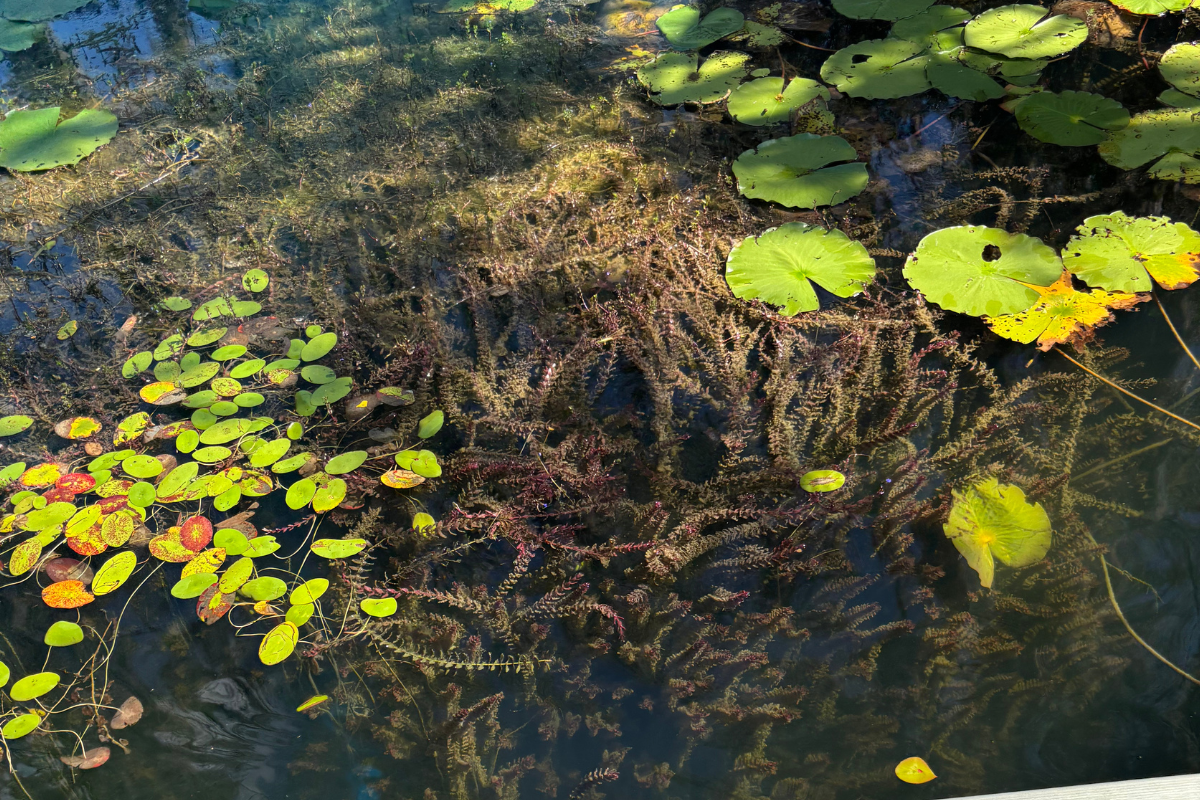
Why Spraying Pond Vegetation All at Once Is Risky
Spraying pond vegetation works by killing plants with herbicides, but the die-off has a hidden danger. As weeds die, they decay and decompose, a process that consumes dissolved oxygen in the water. The more vegetation you kill at once, the higher the oxygen demand.
In a pond choked with lily pads or submerged weeds, spraying everything in one treatment can cause an oxygen crash. The result is often a massive fish kill, undoing years of growth and management.
That’s why large-scale spraying pond vegetation must be done with caution and a deliberate plan.
Spraying Pond Vegetation in Intervals: A Smarter Approach
The safest way to reclaim a weed-choked pond is to spray vegetation in segments. Instead of treating the entire pond, focus on 20–25% at a time, then wait two weeks before moving to the next section.
This segmented approach to spraying pond vegetation allows:
- Gradual decomposition – Plants die and decay in smaller amounts, keeping oxygen depletion manageable.
- Reduced fish stress – Fish adapt slowly to changing habitat instead of losing all their cover at once.
- Better control – You can evaluate how effective your herbicide was and make adjustments before treating the next section.
Whether you’re targeting floating lily pads or submerged hydrilla, spraying pond vegetation in intervals is always the safer strategy for long-term success.
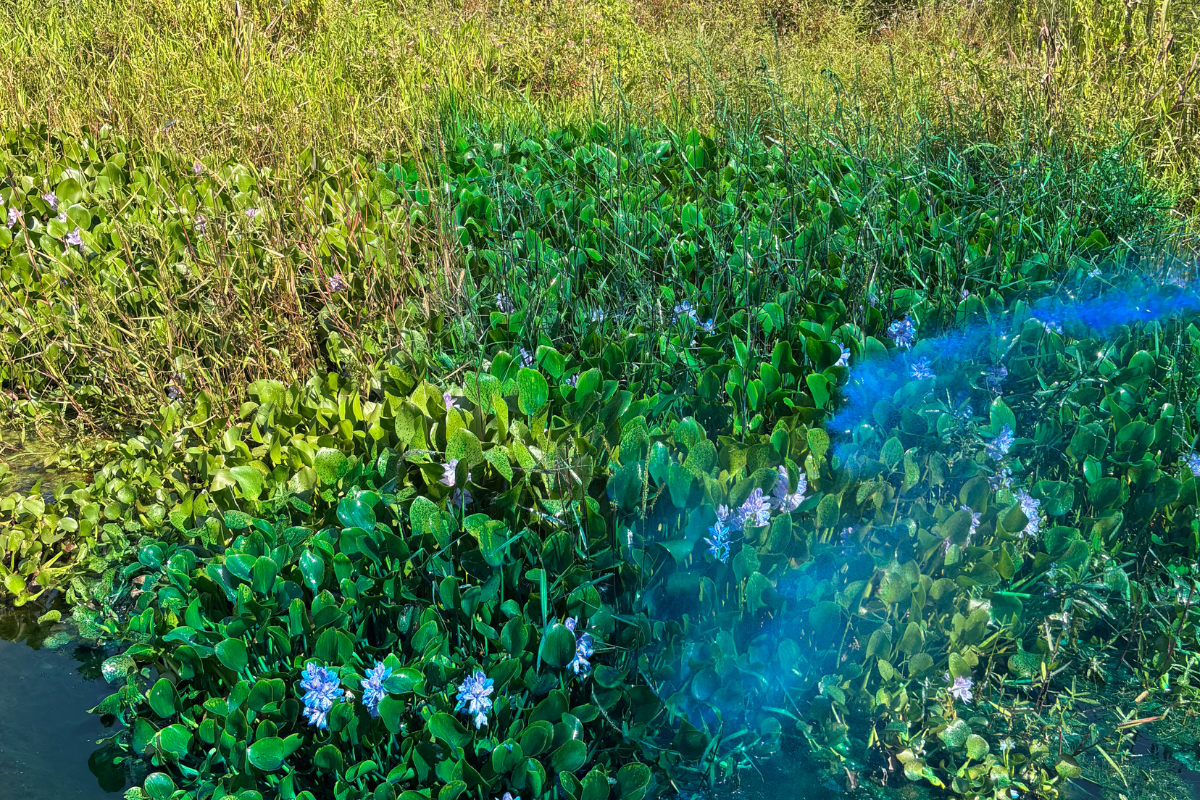
Timing and Conditions for Spraying Pond Vegetation
Even when spraying pond vegetation in segments, conditions matter:
- Avoid cloudy weather – Sunshine helps maintain oxygen levels. Spraying right before several cloudy days can be risky.
- Cooler water is better – Warm water naturally holds less oxygen, so spring and fall treatments are less stressful than midsummer spraying.
- Aeration helps – Using a pond aerator or fountain during treatments can stabilize oxygen levels.
- Control first, fertilize later – Never fertilize a pond full of weeds. Fertilizer will feed the plants you’re trying to kill.
By planning carefully, you’ll get better results and protect the fishery you’ve worked hard to build.
Professional Help With Spraying Pond Vegetation
Choosing the right herbicide, calculating dosage, and applying it properly are critical when spraying pond vegetation. A wrong move can lead to wasted money, ineffective control, or worse—serious harm to your pond.
At TLC Perfect Pond, we specialize in spraying pond vegetation safely and effectively. Our team maps vegetation coverage, treats ponds in intervals, and uses proven herbicide strategies to clear out both surface and subsurface weeds. We also help landowners develop long-term plans—whether that’s stocking grass carp, adding aeration, or fertilizing to promote phytoplankton that shades out new weed growth.
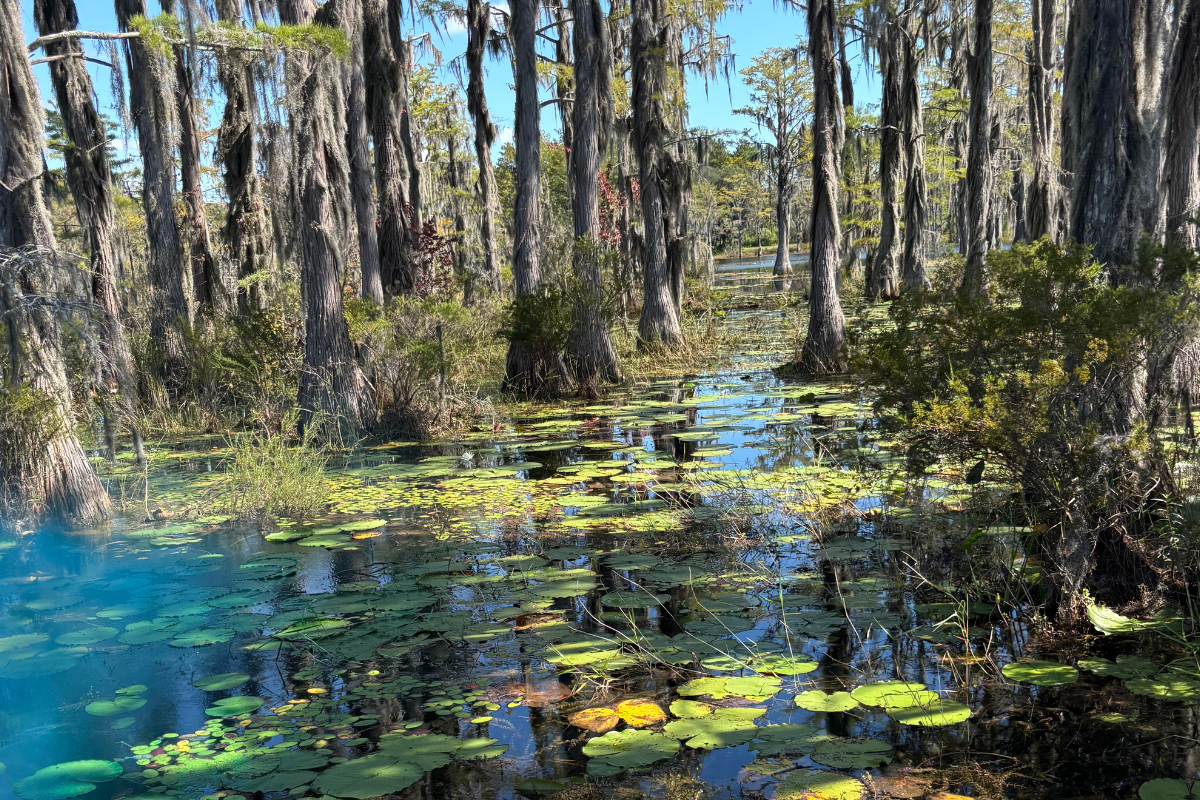
Take Back Your Pond the Right Way
When vegetation covers more than 20% of a pond, it’s time to take action. But spraying pond vegetation the wrong way—especially in a pond that’s nearly consumed—can create bigger problems than the weeds themselves.
By spraying in intervals and taking precautions, you’ll protect your fish, maintain water quality, and gradually restore your pond to its full potential.
If your pond in South Georgia or North Florida is struggling with overgrown vegetation, complete this form and we’ll contact you to schedule a time to meet.