
Ponds are valuable assets—whether for recreation, aesthetics, or property value—but without regular attention, they can quickly decline in quality and function. In South Georgia and North Florida, ponds ranging from 2 to 10 acres are especially common and can provide years of enjoyment if properly managed. However, a neglected pond can have a host of problems can quietly develop beneath the surface. From unbalanced fish populations to excessive vegetation and oxygen depletion, the consequences of inaction can be costly—not only in time and money but also in lost recreational potential.
Unbalanced Fish Populations: A Common Result of Neglect
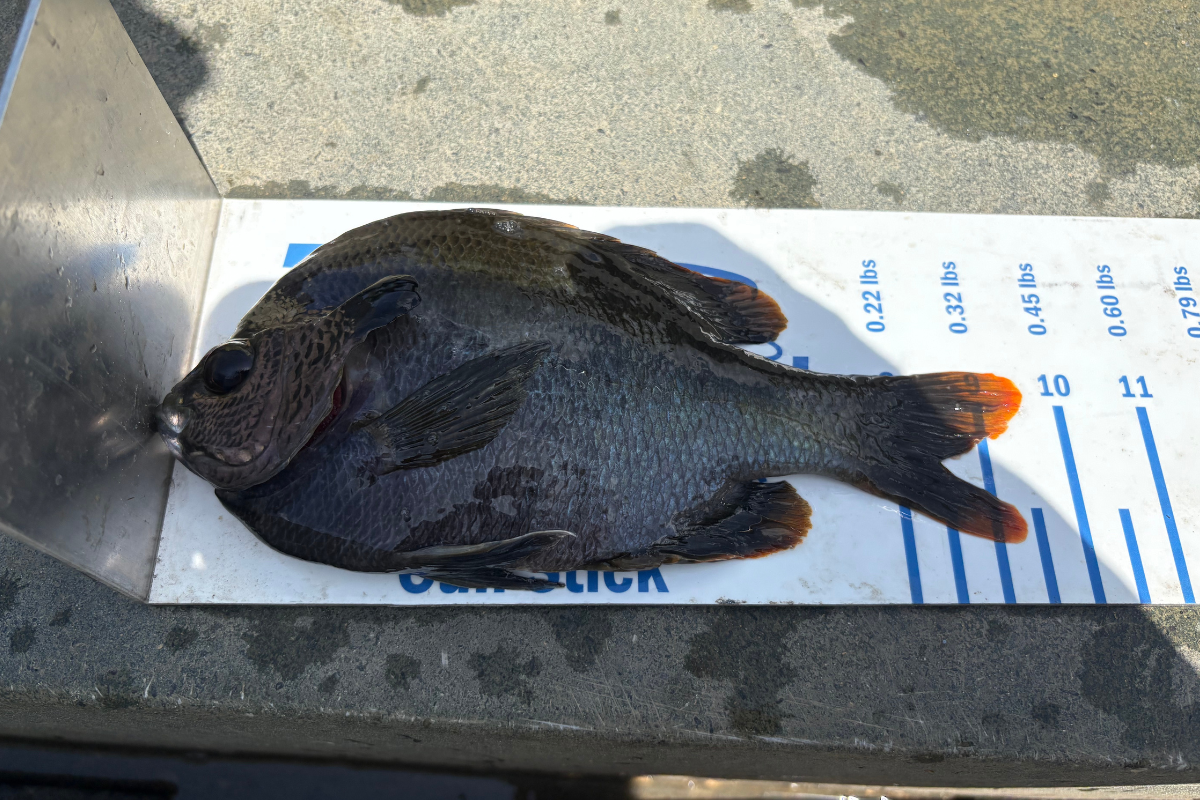
One of the first things to go wrong in a neglected pond is the balance between predator and prey species. Most landowners dream of a healthy largemouth bass fishery, but that dream can fade fast without proper oversight. If a pond isn’t managed, bass populations can explode. What starts as a few healthy fish can turn into an overcrowded mess of skinny, stunted bass that struggle to grow beyond 10 or 12 inches.
Why does this happen? Without population control—either by fishing or management practices—bass begin to outnumber their available food sources, mainly bluegill, threadfin shad, or other forage species. When prey becomes scarce, bass growth stalls. These fish become aggressive and desperate. But despite their enthusiasm on the line, they won’t be much fun to catch when they’re all undersized and underweight.
And it’s not just the bass that suffer. Prey populations can become dangerously low in an unbalanced system. Without adequate cover or spawning habitat—or if predator pressure is too high—your forage base may collapse. Once that happens, it can take years to rebuild unless you intervene with proper stocking and management.
Vegetation Overgrowth: More Than Just an Eyesore
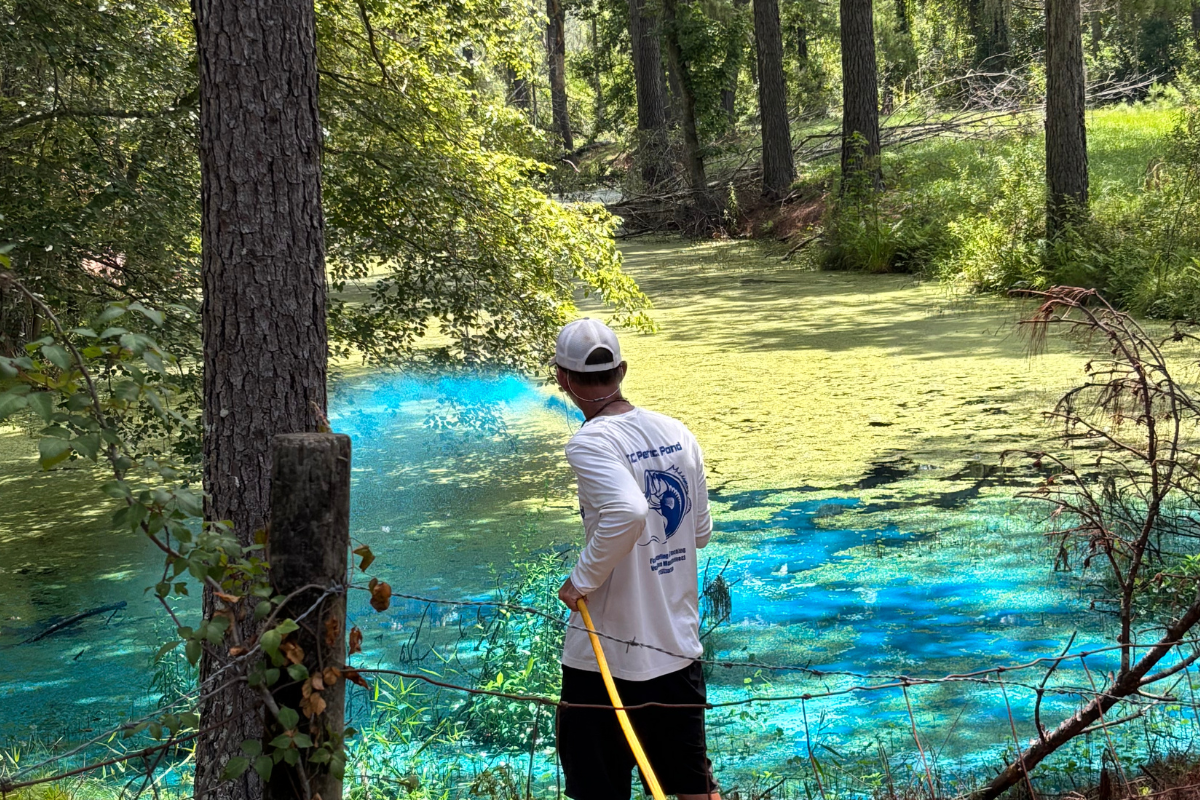
Unchecked plant growth is another hallmark of a neglected pond. Aquatic vegetation is important for a healthy ecosystem, but too much of it can cause more harm than good. If left unmanaged, invasive species like hydrilla, filamentous algae, or water primrose can spread quickly, choking out open water and making your pond virtually unusable for swimming, boating, or fishing.
Heavy vegetation also affects water quality. During the day, plants photosynthesize and produce oxygen. But at night, they consume oxygen, and if there’s too much vegetation, nighttime oxygen levels can drop dangerously low. In severe cases, this leads to fish kills—especially during warm weather or after a storm when oxygen is already depleted.
Worse still, overgrown vegetation often creates hiding spots for undesirable fish species like mudfish (bowfin), gar, or bullhead catfish. These species compete with your sport fish and further complicate your management goals.
Regular Fishing: Your Pond’s Report Card
One of the simplest ways to assess pond health is by fishing it regularly. Consistent catch data gives you insight into how your fishery is performing. Are you catching a wide range of sizes? Are fish healthy and well-fed? Are there signs of unwanted species taking hold?
If you’re only catching 8-inch bass and very few bluegill, that’s a red flag. If you’re reeling in mudfish or gar more often than bass, it may be time to take action. Regular fishing not only provides enjoyment—it gives you valuable feedback. But if you let months or years pass without checking your fish populations, small problems can turn into major ones into a neglected pond.
Help Is Available: Restore Balance with Professional Pond Management
The good news is that even if your neglected pond has slipped into decline, it’s rarely beyond repair. At TLC Perfect Pond, we specialize in restoring neglected ponds in the South Georgia and North Florida region. We use proven strategies to get your pond back on track quickly and effectively.
One of the most powerful tools to restore a neglected pond is an electrofishing survey. This process gives us a clear picture of your current fish populations—what species are present, how big they are, and how they’re distributed. With that data, we can make informed decisions about what actions to take next.
If your bass are stunted and your bluegill population is low, we can help re-establish balance through strategic stocking. Whether that means adding more forage fish like bluegill, or even stocking triploid grass carp for vegetation control, we’ll design a plan that fits your specific pond and your goals.
And when it comes to vegetation issues in a neglected pond, we offer a full range of vegetation management services, including surface and subsurface spraying to remove weeds and keep them gone. We’ll target invasive or nuisance plants while preserving the beneficial vegetation that supports fish and wildlife.
Don’t Wait Until It’s Too Late
A neglected pond doesn’t just put fish at risk—it affects everything from water quality and aesthetics to property value and recreational opportunities. The longer you wait, the harder it becomes to fix the problem. But with regular monitoring, proactive fishing, and help from a trusted pond management partner, your pond can thrive year after year.
If you think your pond may be showing signs of decline—or if you just want to make sure things are headed in the right direction—reach out to us today. We’re here to help restore balance and keep your pond healthy, productive, and enjoyable for years to come.