

When a drought hits and your pond’s water level drops, it’s easy to worry about your fish population and long-term pond health. And while extended dry periods certainly create challenges, not every effect of a low water level is negative. In fact, a temporary drop can actually improve the natural habitat around your pond—especially along the shoreline.
At TLC Perfect Pond, we see firsthand how seasonal or drought-driven changes sometimes create opportunities for pond owners. One of the most important yet overlooked benefits of low water is how it encourages new shoreline vegetation and improves the pond’s natural habitat for years to come.
Below, we explain why this happens, how it benefits fish and wildlife, and how reduced water levels can even help “reset” undesirable species in your pond.
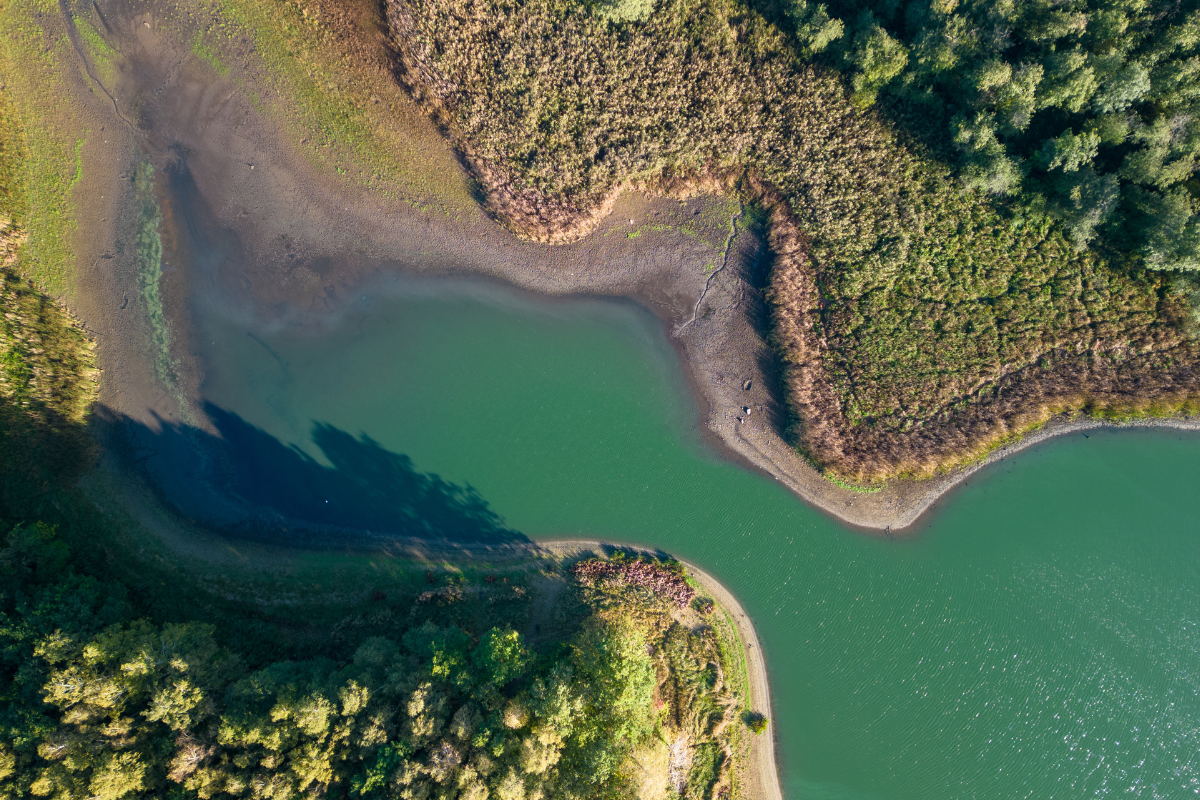
How Lower Water Levels Improve Natural Habitat Along the Shoreline
When the water level drops, areas that were normally underwater become exposed to sunlight and air. This short-term shift allows plants to grow where they normally couldn’t—creating a richer, more diverse natural habitat along the pond’s edge.
1. Sunlight Reaches Previously Underwater Soil
As the shoreline expands outward, sunlight hits fresh soil for the first time in years. Seeds from native grasses, sedges, and beneficial aquatic plants that have been lying dormant now have the chance to germinate.
This burst of growth improves the natural habitat around the pond, creating a buffer zone that supports insects, amphibians, and young fish.
2. A Stronger Root System Protects the Pond
Once these plants establish roots, they act like a stabilizing net around the pond perimeter. They help to:
- Reduce erosion
- Prevent muddy water
- Strengthen the shoreline structure
- Improve water clarity
Even after the water level rises again, many of these plants survive underwater, continuing to provide valuable natural habitat.
3. Improved Habitat for Forage Fish
Many forage species—like juvenile bluegill—thrive in areas filled with grasses and plants. As shoreline vegetation expands, it creates shallow-water natural habitat that:
- Provides shade
- Helps them evade predators
- Offers a rich supply of insects and micro-organisms
- Gives fry a safe place to grow
More forage fish ultimately means a healthier predator population, including bass.
4. Better Habitat for Wildlife
The pond’s edge becomes more diverse and active when plants grow on the exposed shoreline. Frogs, turtles, songbirds, dragonflies, and beneficial insects all rely on this vegetation as part of the natural habitat surrounding the water.
A more vibrant shoreline creates a healthier ecosystem for your pond overall.
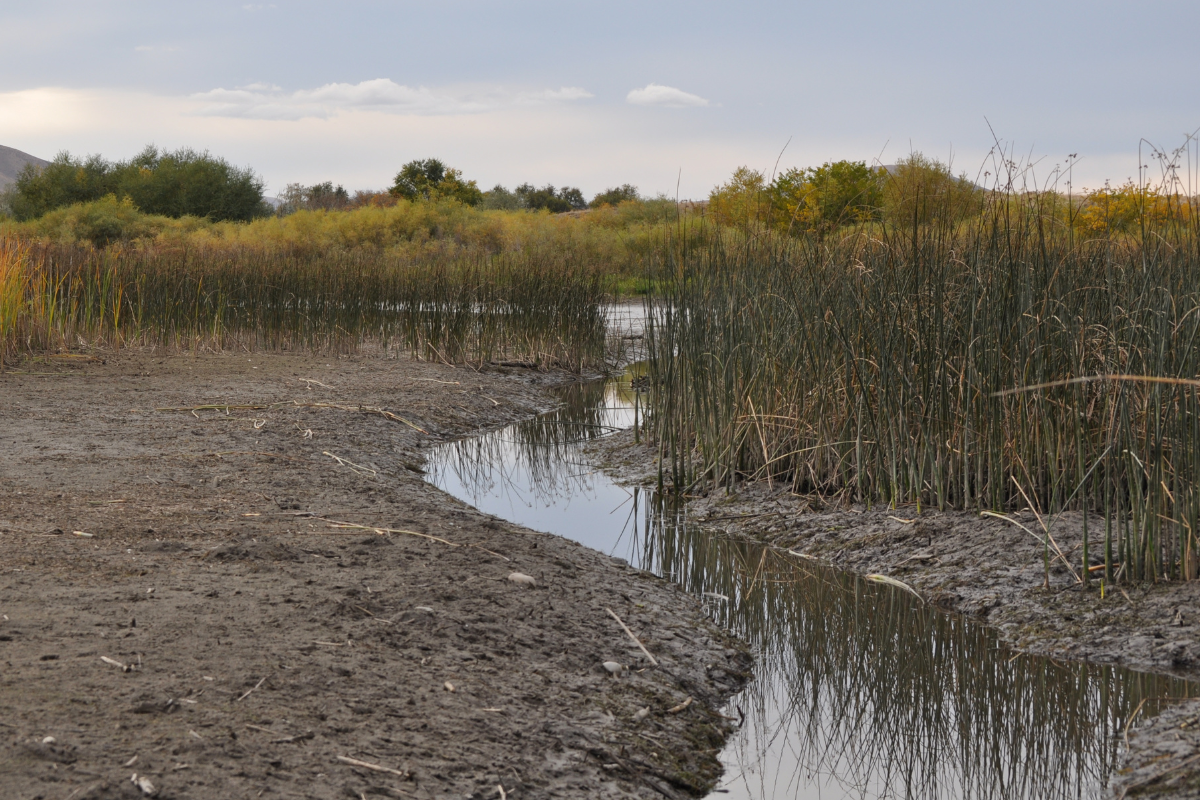
How Low Water Levels Can “Reset” Undesirable Species
While improved vegetation is the most beneficial outcome of a temporary low water level, there’s another advantage: ponds sometimes experience a natural “reset” of certain problem species.
1. Reduced Habitat for Invasive Fish
Invasive or nuisance species—such as bullheads, green sunfish, or unwanted rough fish—often rely on deep cover to hide and reproduce. A significantly lower water level can reduce or eliminate some of this deep-water habitat.
As a result, their numbers may decline naturally, giving bluegill, bass, and desirable forage species more room to thrive.
2. Temporary Stress Levels Certain Populations
Some nuisance species struggle when oxygen levels drop or shallow areas disappear. This selective pressure, although stressful in the moment, can lead to long-term benefits for the pond’s balance.
When the water rises again, the pond is often better positioned to support a healthier mix of species.
3. Nuisance Plant Species May Be Exposed
Invasive aquatic plants that thrive underwater—like hydrilla or certain filamentous algae—may be exposed to heat and drying when the water level drops. This helps to thin out dense patches naturally, making pond management easier once water levels return to normal.
How Pond Owners Can Support the Natural Habitat During Low Water Levels
Although low water levels can create opportunities, pond owners still play an important role in helping beneficial vegetation become established and maintaining a balanced natural habitat.
1. Avoid Mowing Newly Exposed Shoreline
Those sprouting grasses and plants are part of the natural regeneration process. Leave them undisturbed so they can root deeply and improve the natural habitat long-term.
2. Avoid Over-Fertilizing Nearby Areas
Runoff during the next rainfall could overstimulate plant growth or push excess nutrients into the pond. Keeping fertilizer away from the shoreline helps preserve a balanced natural habitat.
3. Don’t Introduce New Fish Until Water Levels Rise
Even though the natural habitat improves with fresh vegetation, low water levels place stress on fish. Wait until levels rise and stabilize before adding new species.
4. Add Artificial Habitat if Needed
Brush piles, fish attractors, and other structures can complement the natural vegetation that forms during drought. These additions help build more permanent natural habitat even after water levels rise.
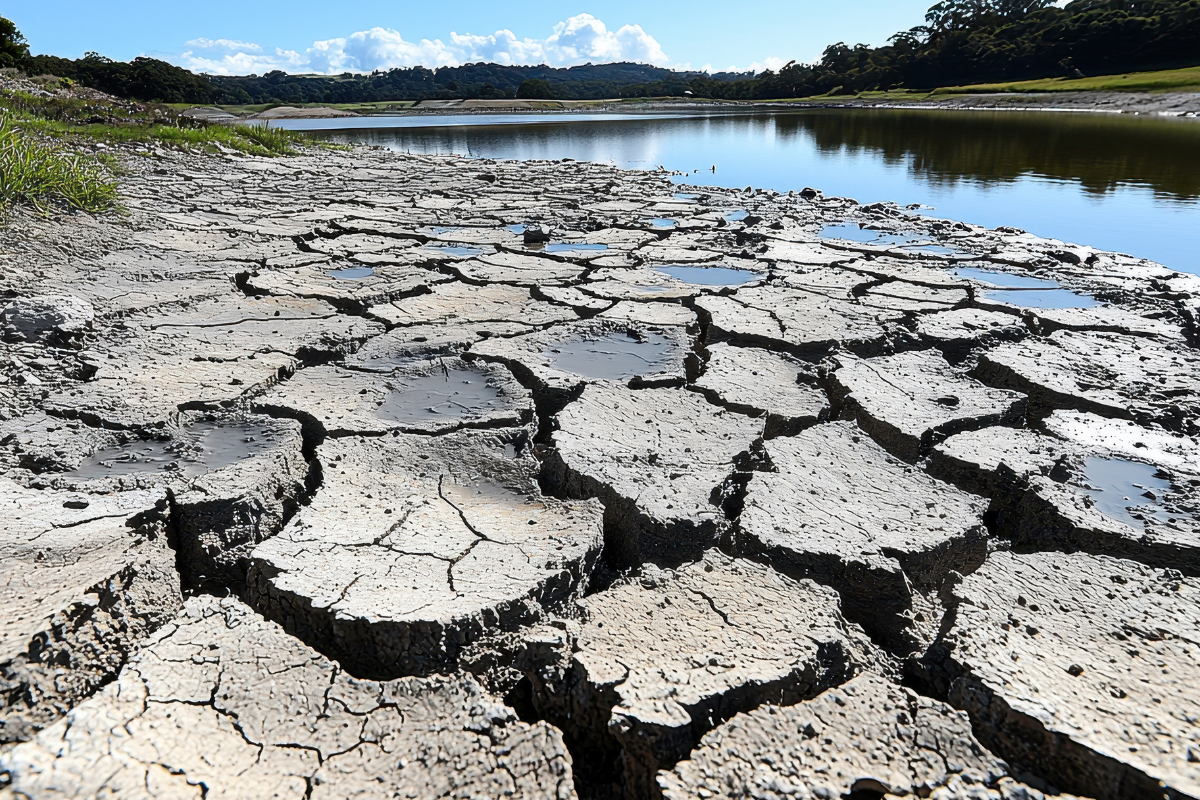
Temporary Water Level Drops Can Improve Your Pond’s Natural Habitat for Years
A low water level can certainly challenge a pond, but it can also spark a cycle of regeneration that benefits the entire ecosystem. New shoreline vegetation improves the natural habitat, stabilizes the pond edge, enhances forage production, increases water clarity, and strengthens long-term fish health.
And while reduced water levels may temporarily stress certain species, this natural “reset” often leads to a better-balanced pond once rainfall returns.
If you want to take advantage of these changes—or need help managing your pond during a drought—TLC Perfect Pond is here to help you protect your investment and support a thriving, natural ecosystem. Just complete this form and we’ll contact you to schedule a time to meet. We look forward to turning your pond into a productive fishery for years to come!
If your pond’s water is lower than normal, now is the time to act. With the right adjustments, you can protect your fish population and ensure your pond thrives when the rains finally return.