

Every pond owner dreams of having a productive fishery filled with healthy largemouth bass, plentiful bluegill, and hours of enjoyable fishing. But that dream doesn’t happen by accident. A balanced pond requires active management, particularly when it comes to harvesting fish. Without regular harvest, predator and prey populations can easily fall out of balance, leading to overcrowding, stunted growth, and disappointing fishing experiences.
At TLC Perfect Pond, we’ve seen firsthand how quickly a pond can get out of balance when fish are left unchecked. The good news? With a little knowledge and consistent effort, pond owners can do a lot to maintain a truly balanced pond.
Why Harvesting Bass Is Critical to a Balanced Pond
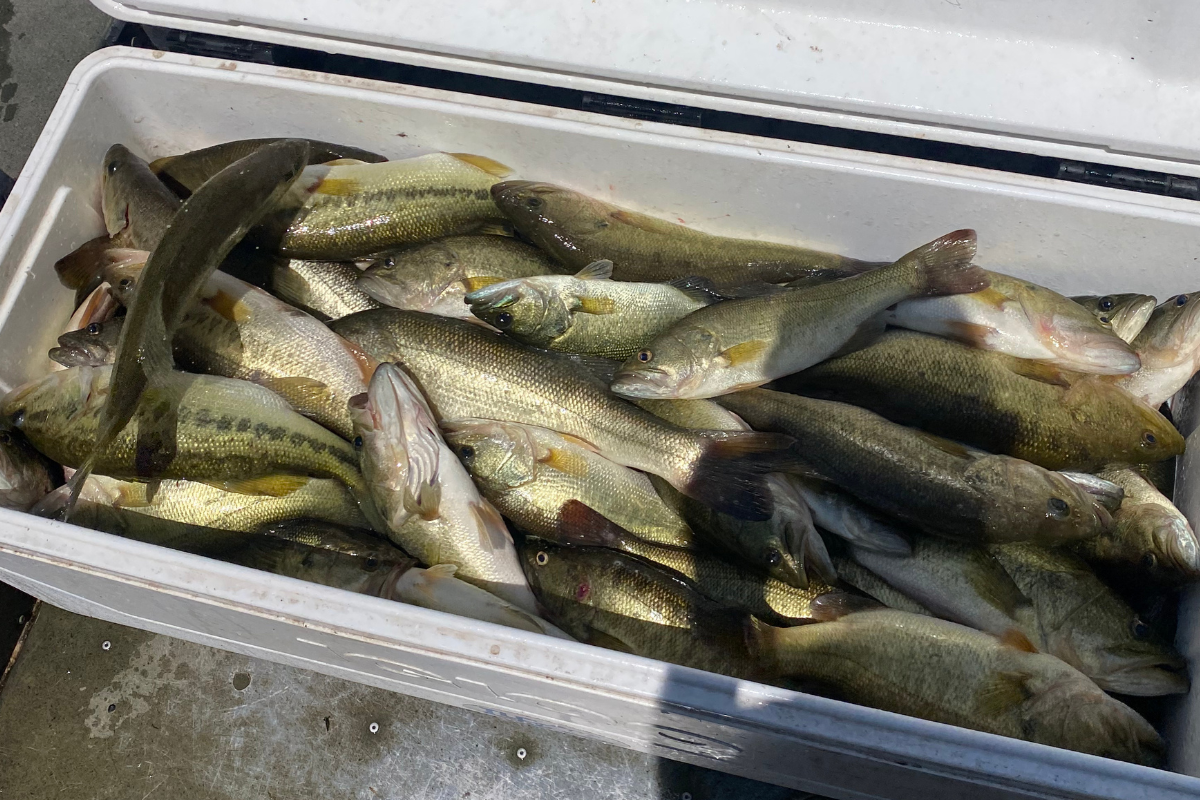
Largemouth bass are the most popular sportfish in southern ponds, but they’re also the most common culprit when a pond falls out of balance. In a pond that isn’t regularly fished, bass populations grow unchecked. When too many predators are competing for the same limited food resources, the result is:
- Overcrowding – Too many bass chasing too little prey leads to skinny, stunted fish that rarely grow past 10–12 inches.
- Limited resources – With bass eating everything in sight, there’s little chance for forage species like bluegill to reproduce and survive in healthy numbers.
- Poor recruitment – Without enough prey, young bass struggle to survive, leading to an unbalanced age structure in the fishery.
The outcome is a pond full of small, undernourished bass and very few quality catches.
The best way to avoid this scenario is regular harvest. Removing a portion of the bass population each year relieves predation pressure, frees up resources, and helps maintain a balanced pond where bass can reach their full potential.
Don’t Forget to Harvest Forage Species for a Balanced Pond
While most pond owners understand the need to harvest bass, fewer think about harvesting forage fish like bluegill. Yet this too plays a vital role in maintaining a balanced pond.
Bluegill and other sunfish reproduce prolifically, often leading to overcrowded populations if left unchecked. When forage fish are too numerous, they compete with one another for food resources, resulting in stunted growth. This creates a forage base made up of undersized fish that don’t provide the high-quality meals predators need to thrive.
By harvesting a portion of the bluegill population—particularly the intermediate-sized fish—you can prevent overcrowding and ensure your bass have access to healthy, well-nourished prey. This keeps both sides of the predator-prey relationship in check, sustaining a balanced pond year after year.
The Consequences of an Unbalanced Pond
When predator and prey populations get out of alignment, the entire ecosystem suffers. Here’s what can happen in an unbalanced pond:
- Bass stunting – Too many predators and not enough food leads to poor growth rates and skinny fish.
- Forage collapse – When predation pressure is too high, forage species struggle to spawn and survive.
- Recreational decline – Fishing becomes frustrating when every cast produces the same 8–10 inch bass, and bluegill are too small to keep.
- Long-term damage – Once a pond reaches this state, recovery often requires professional intervention to restore balance.
These consequences can creep up slowly, but once they take hold, they can severely limit your pond’s productivity and enjoyment.
Harvesting Guidelines for a Balanced Pond
While every pond is unique, here are some general guidelines for harvesting to maintain a balanced pond:
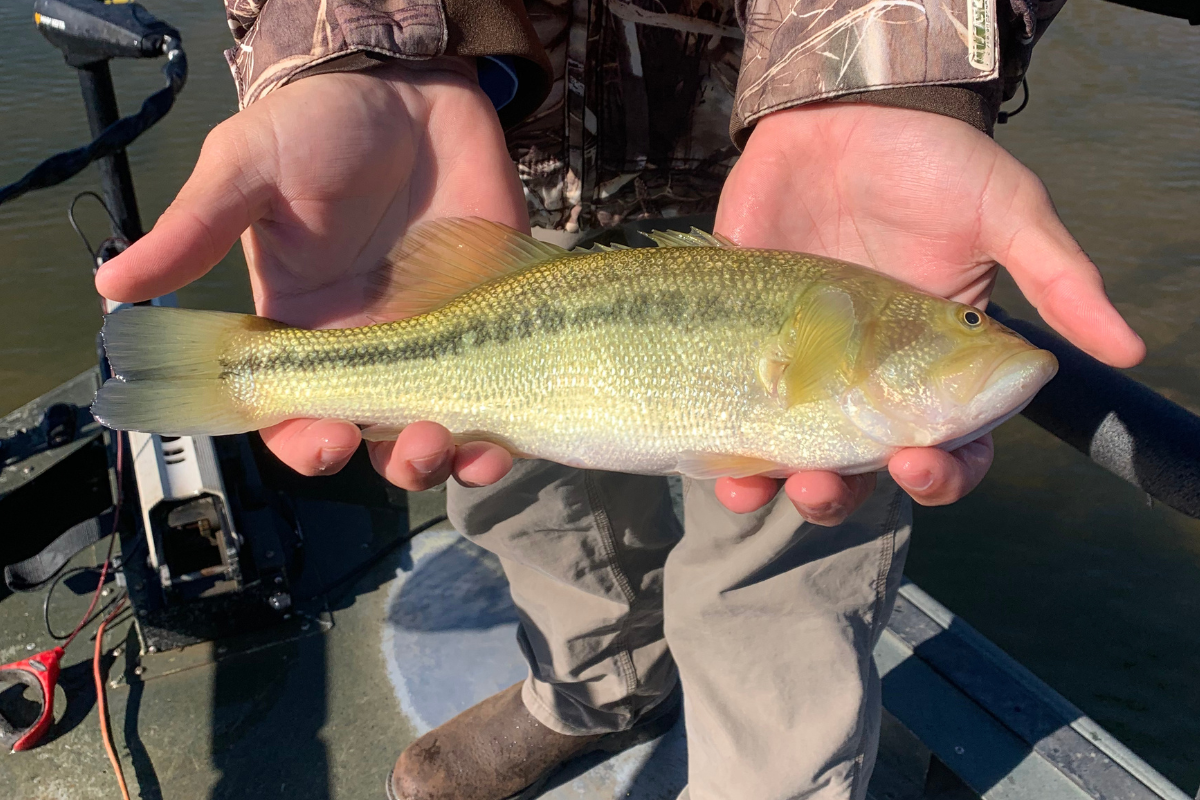
- Bass harvest – In many southern ponds, removing 20–35 pounds of bass per acre per year is recommended, focusing on bass under 14 inches. This prevents overcrowding and promotes healthy growth among the remaining fish.
- Bluegill harvest – Harvesting 100–200 bluegill per acre per year helps control numbers and keeps size structures healthy. Targeting intermediate fish ensures enough spawners remain to replenish the population.
- Regular monitoring – Keep track of what you’re catching. If you’re seeing lots of small bass and very few quality bluegill, your pond may already be slipping out of balance.
By sticking to these practices, you’ll help ensure your pond stays productive and balanced over the long haul.
When Professional Pond Management Becomes Necessary
Sometimes, despite the best intentions, ponds go too long without fishing or active management. In these cases, predator-prey relationships may be so skewed that simple harvest practices won’t be enough to restore balance.
That’s where professional pond management comes in. At TLC Perfect Pond, we offer services designed to “rescue” ponds that have fallen out of balance, including:
- Electrofishing surveys – Providing a snapshot of your pond’s current fish populations.
- Targeted harvest plans – Offering customized guidance on how many and which fish to remove.
- Restocking – Adding forage or predator species to restore balance.
- Vegetation and water quality management – Supporting a healthier overall pond ecosystem.
With the right strategy, even ponds that haven’t been fished in years can be brought back to life and restored to a truly balanced pond.
Keep Your Pond Balanced Year After Year
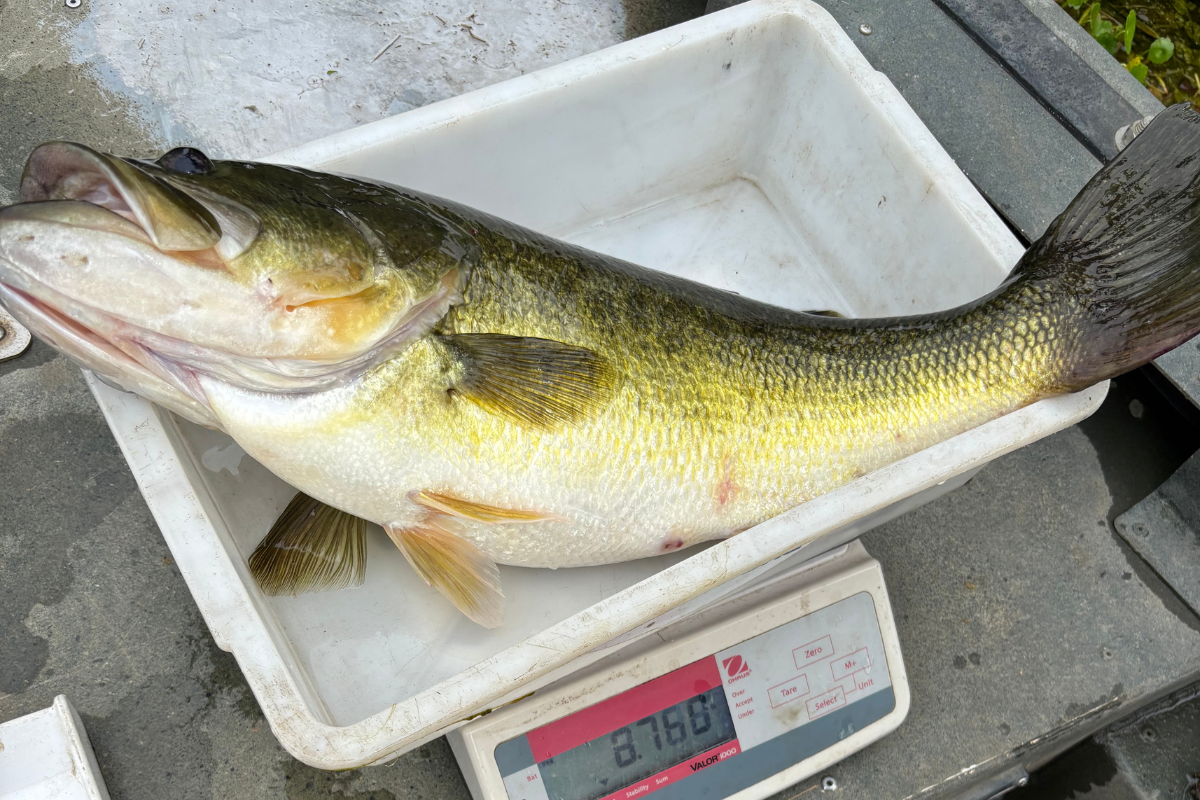
A balanced pond doesn’t happen by luck—it happens through consistent effort. By regularly harvesting both bass and forage species, you can prevent overcrowding, maintain a healthy food chain, and enjoy a fishery full of quality catches.
And if your pond has already slipped out of balance, don’t give up. With help from professionals like TLC Perfect Pond, it’s possible to reset your pond and put it back on the path to productivity.
At the end of the day, maintaining a balanced pond means more than just healthy fish—it means more fun, more success, and more enjoyment for years to come.
If your pond in South Georgia or North Florida has an issue with overcrowded fish or lack of prey, complete this form and we’ll contact you to schedule a time to meet.