

One of the most common concerns pond owners share with us is simple but unsettling:
“I stocked my pond, but I just don’t see fish.”
This concern comes up with both new ponds and long-established ones. Fish have been stocked, water levels look good, and yet the surface seems quiet. No bluegill dimpling the water, no bass chasing bait, no obvious activity along the shoreline. When you can’t see fish, it’s easy to assume something has gone wrong.
In most cases, nothing is wrong at all. The reality is that fish behavior changes dramatically with the seasons, and much of the time fish simply aren’t where pond owners expect to see fish.
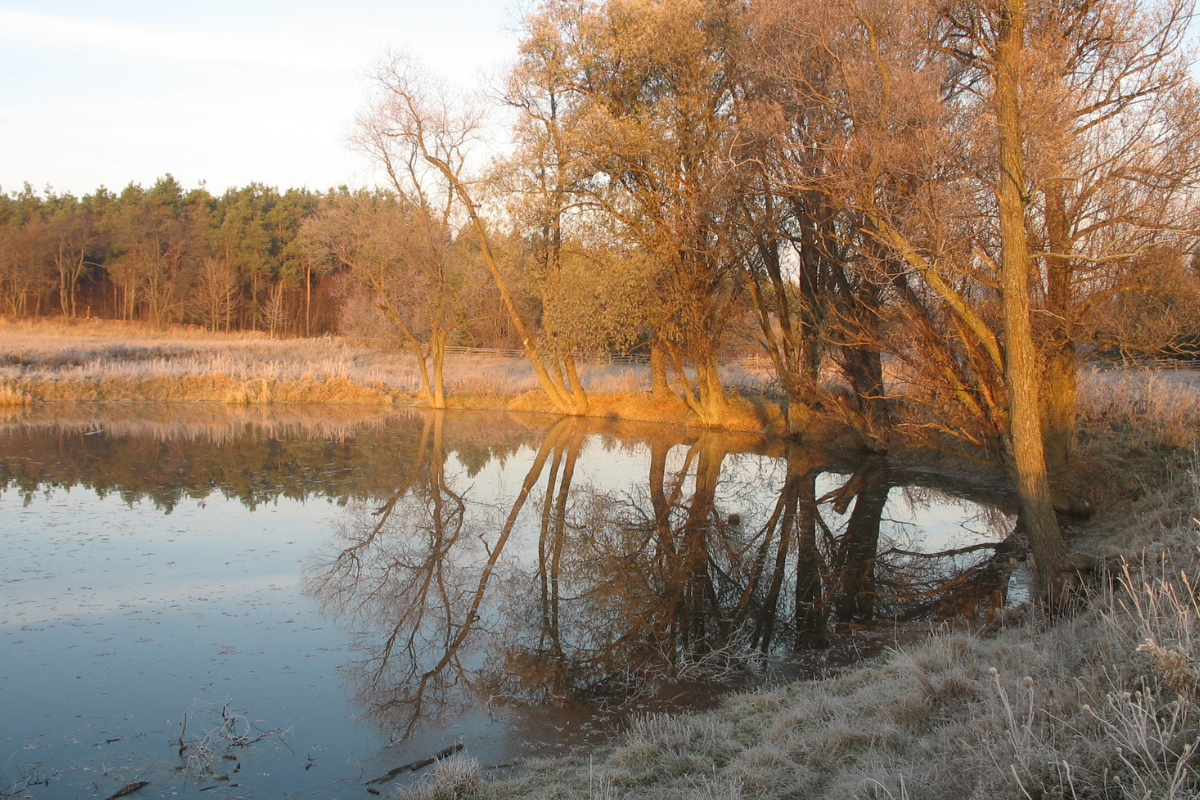
Why You Don’t See Fish in Winter
Bluegill and largemouth bass are cold-blooded fish, meaning their body temperature and activity level are controlled by the surrounding water. As water temperatures drop in winter, fish metabolism slows significantly. When this happens, fish move less, feed less, and conserve energy.
During winter, it’s very common not to see fish at all. Fish often shift into deeper water where temperatures are more stable than in shallow areas that warm during the day and cool rapidly at night. By holding deeper, fish reduce stress and avoid sudden temperature swings.
Because fish are inactive and rarely visit the shoreline, winter ponds can look lifeless even when fish populations are healthy and well-established below the surface.
Why You May Not See Fish During the Hottest Part of Summer
Surprisingly, summer can also be a time when pond owners struggle to see fish.
As surface water temperatures rise, especially in shallow ponds, bluegill and largemouth bass often seek deeper water where conditions are cooler and more comfortable. Deeper water provides more stable temperatures and can reduce heat stress during extended hot spells.
Deeper areas of a pond can also support higher plankton populations. Plankton is the foundation of the aquatic food chain and is especially important for bluegill. When bluegill move deeper to take advantage of food resources, largemouth bass follow. As a result, fish spend less time near the surface — making it harder to see fish even in the middle of summer.
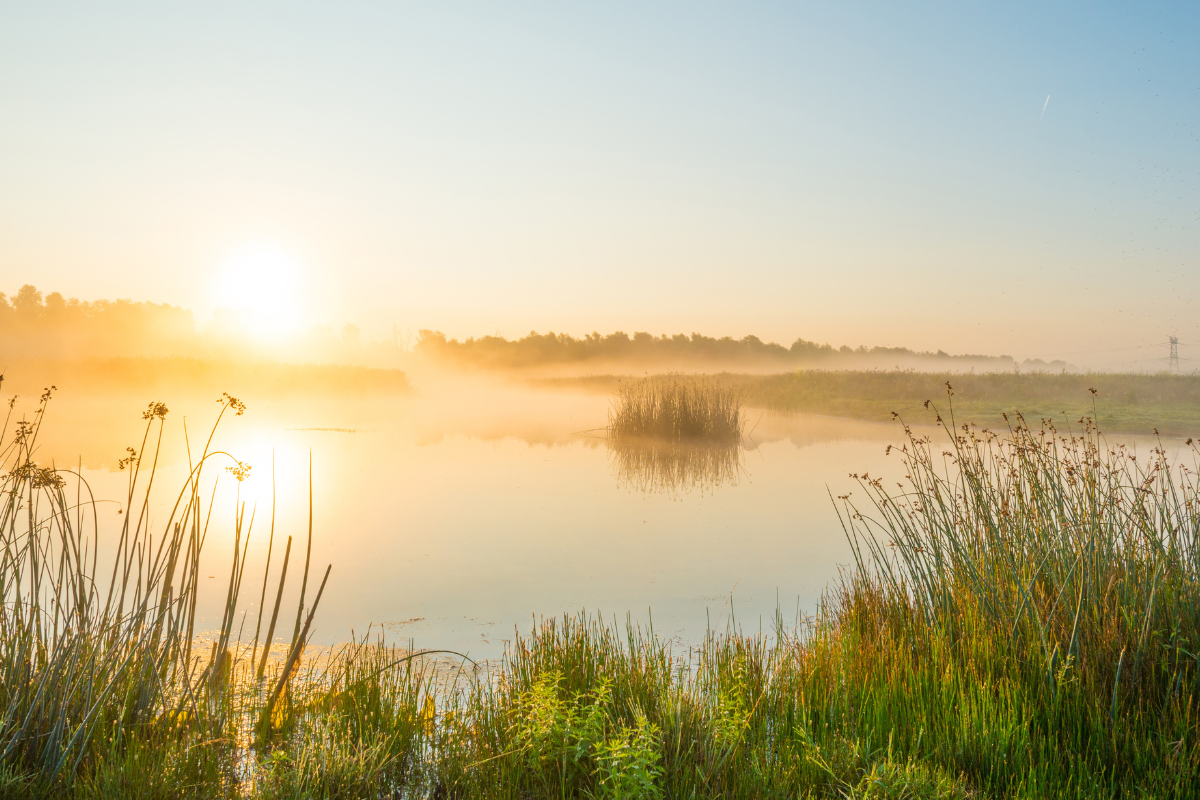
Spring Is When You’re Most Likely to See Fish
Spring is typically the season when pond owners finally start to see fish again — and often in large numbers.
As water temperatures warm into the ideal range, fish metabolism increases and feeding activity ramps up. Bluegill move into shallow areas to build spawning beds, making them highly visible along pond edges. Largemouth bass become more active as well, cruising shallow water in search of food and nesting sites.
This increase in shoreline activity makes spring the best time of year to see fish and confirm that your pond is alive and productive.
Why Being Able to See Fish Doesn’t Tell the Whole Story
While it’s reassuring to see fish, surface activity only tells a small part of the story.
A pond may look quiet and still have:
-
Too many small bluegill
-
Stunted bass populations
-
Poor growth rates
-
Unbalanced predator-to-prey ratios
On the other hand, a pond where you frequently see fish may still have hidden population issues that affect long-term health and fishing quality.
That’s why visual observation alone is not a reliable way to evaluate a pond’s fishery.
The Best Way to Know More Than What You Can See Fish Doing
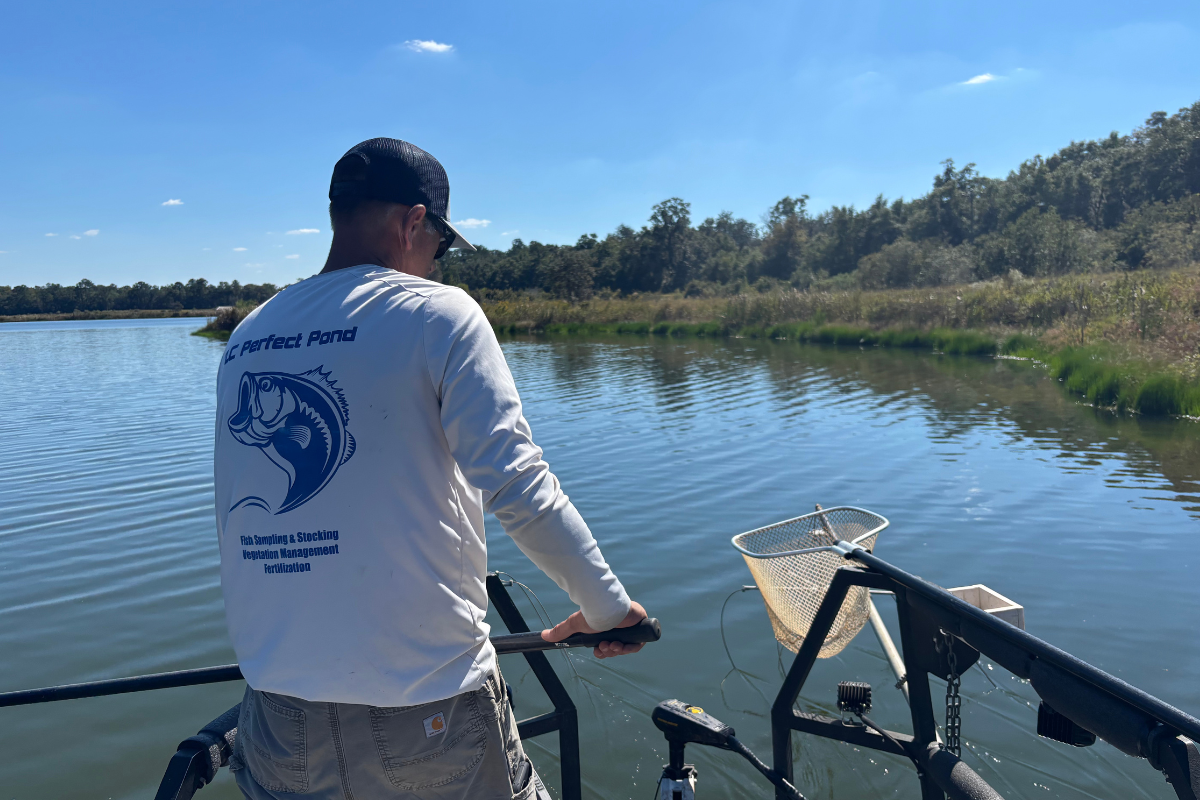
The most effective way to truly understand what’s happening in your pond is through a professional electrofishing population survey.
At TLC Perfect Pond, electrofishing surveys allow us to sample fish throughout the pond — not just the ones you happen to see fish near the surface. These surveys provide valuable data on:
- Fish density and overall population balance
- Species composition
- Size structure and growth rates
- Overall fish health and condition
Instead of guessing based on seasonal visibility, electrofishing shows what’s happening beneath the surface, where fish spend most of their lives.
Stop Wondering If You’ll See Fish — Get Real Answers
Not being able to see fish is one of the most common concerns pond owners face, and in most cases, it’s completely normal. Fish adjust their behavior based on water temperature, depth, and seasonal conditions — often staying well out of sight.
If you want real confidence in your pond’s fish population, regular electrofishing surveys are the best investment you can make. TLC Perfect Pond helps pond owners move beyond what they can or can’t see fish doing and toward data-driven management decisions that improve long-term pond health. If you’re in North Florida or South Georgia, contact us here to schedule a survey for your pond or lake.
When it comes to managing your pond, peace of mind doesn’t come from watching the surface — it comes from knowing what’s below it.