
If your goal is to grow fat, healthy largemouth bass in your pond, there’s one critical factor you can’t overlook: a sustainable forage supply. Without enough food for your bass to eat, growth rates stall, body condition declines, and your fishery struggles to reach its potential.
At TLC Perfect Pond, we specialize in pond management strategies that help maximize forage production, giving your bass the steady supply of prey they need to thrive. Below, we’ll explain why forage density matters and share proven techniques for improving forage availability in your fishery.
Why Forage Supply Matters for Bass Growth
A trophy-class bass fishery doesn’t happen by accident. It requires careful management, and the foundation of that management is a consistent food supply.
-
Low forage density forces bass to spend more energy searching for prey. This means fewer meals and less nutrition per meal, which leads to slower growth.
-
High forage density, on the other hand, allows bass to feed more efficiently. Each meal provides a higher net energy gain, resulting in faster growth and better overall condition.
Simply put: if you want bigger bass, you need more food in the water.
Fertilization to Build the Food Chain
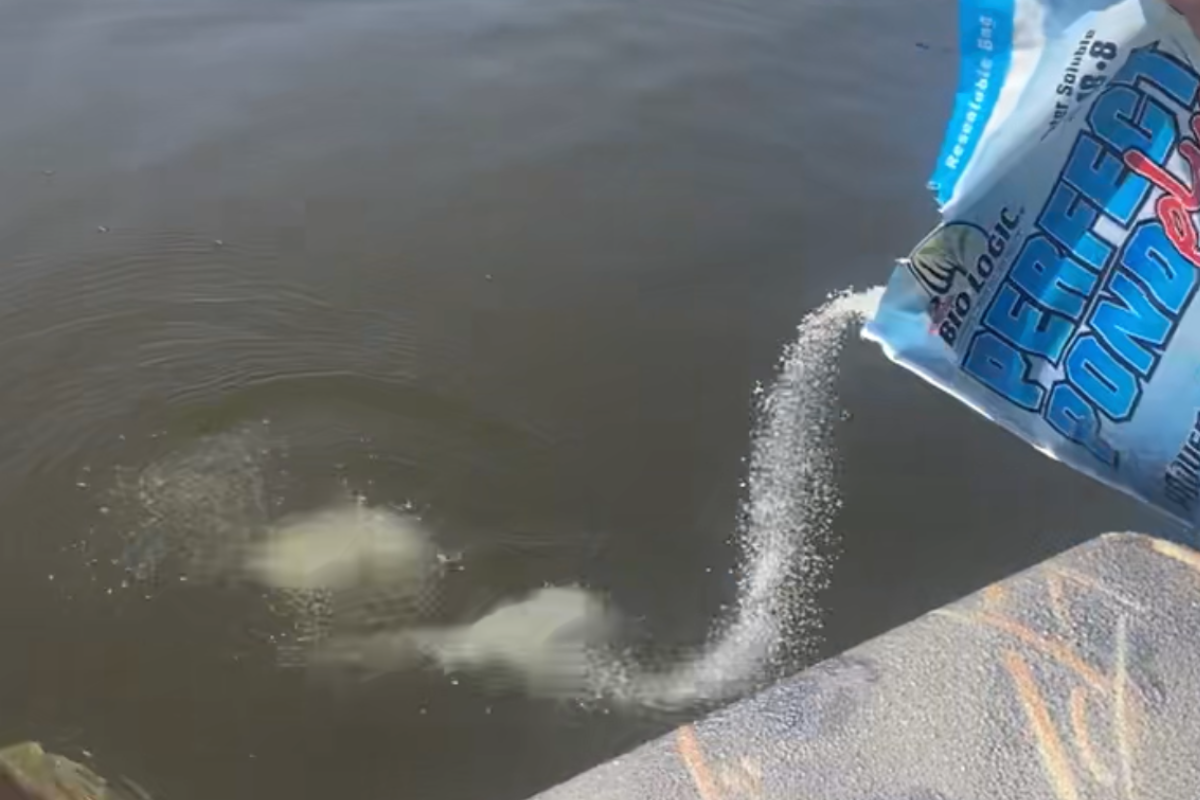
Fertilization is one of the most effective tools for increasing production in ponds larger than two acres. By adding a phosphorus-rich, water-soluble fertilizer, we stimulate the growth of planktonic algae—the foundation of the pond food chain.
Here’s how it works:
- Plankton bloom: The fertilizer promotes a healthy algae bloom, which gives the water a green tint.
- Zooplankton growth: The algae feed zooplankton, tiny animals that serve as food for baitfish fry.
- Baitfish growth: With more food available at the base, baitfish species such as shad and bluegill have higher survival rates and better growth.
A properly managed plankton bloom should maintain 18–24 inches of visibility in the water. Anything less may indicate an imbalance that requires professional attention.
Supplemental Feeding of Bluegill
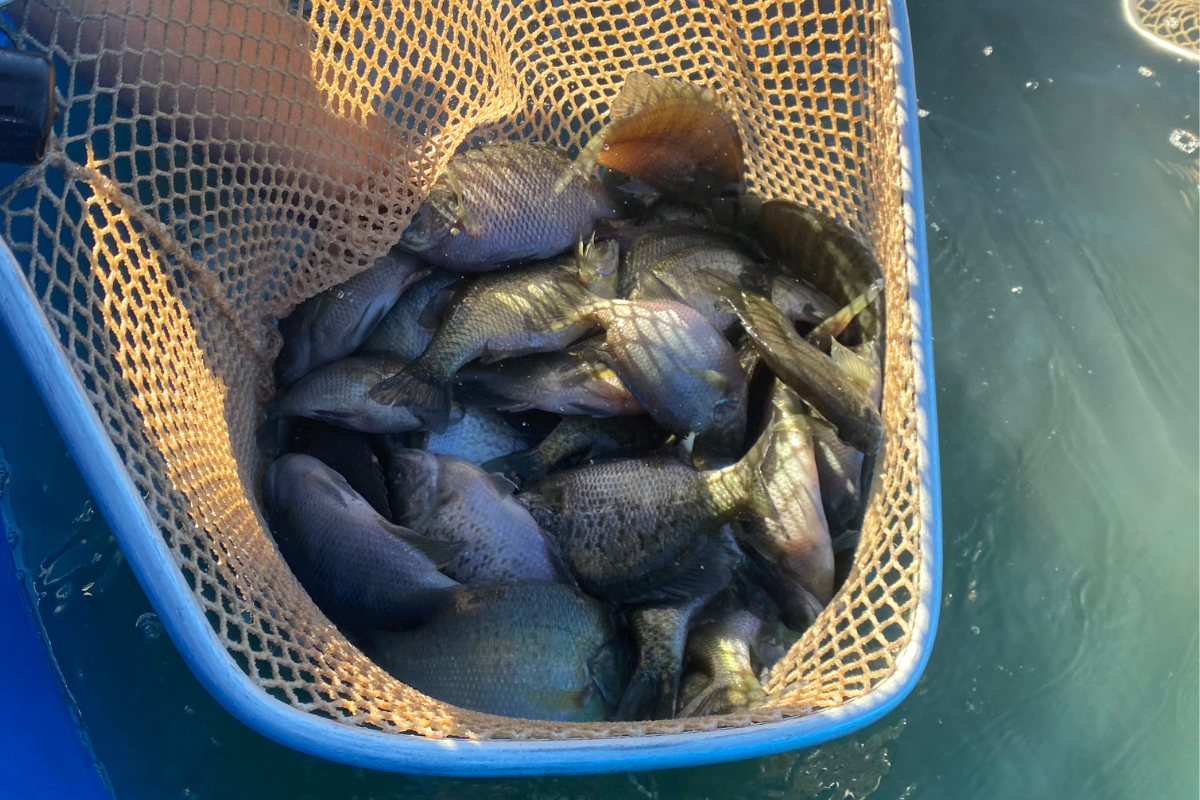
Bluegill are the backbone of most bass fisheries in the Southeast. By feeding them a high-quality pelleted feed, you can increase their growth rate and reproductive potential.
When more bluegill reach broodstock size (large enough to avoid most predation), they produce more offspring. That means more food for your bass year after year.
A standard feeding rate is 2 pounds of 32% protein feed per acre, per day during warm months when water temperatures are above 55°F. Consistency is key—steady feeding builds stronger bluegill populations that can keep up with bass predation.
Supplemental Stocking of Baitfish
Sometimes the best way to boost forage quickly is to add more baitfish directly into the pond. This is especially useful in new ponds, recovering ponds, or fisheries that have suffered setbacks from droughts, floods, or fish kills.
Commonly stocked forage species include:
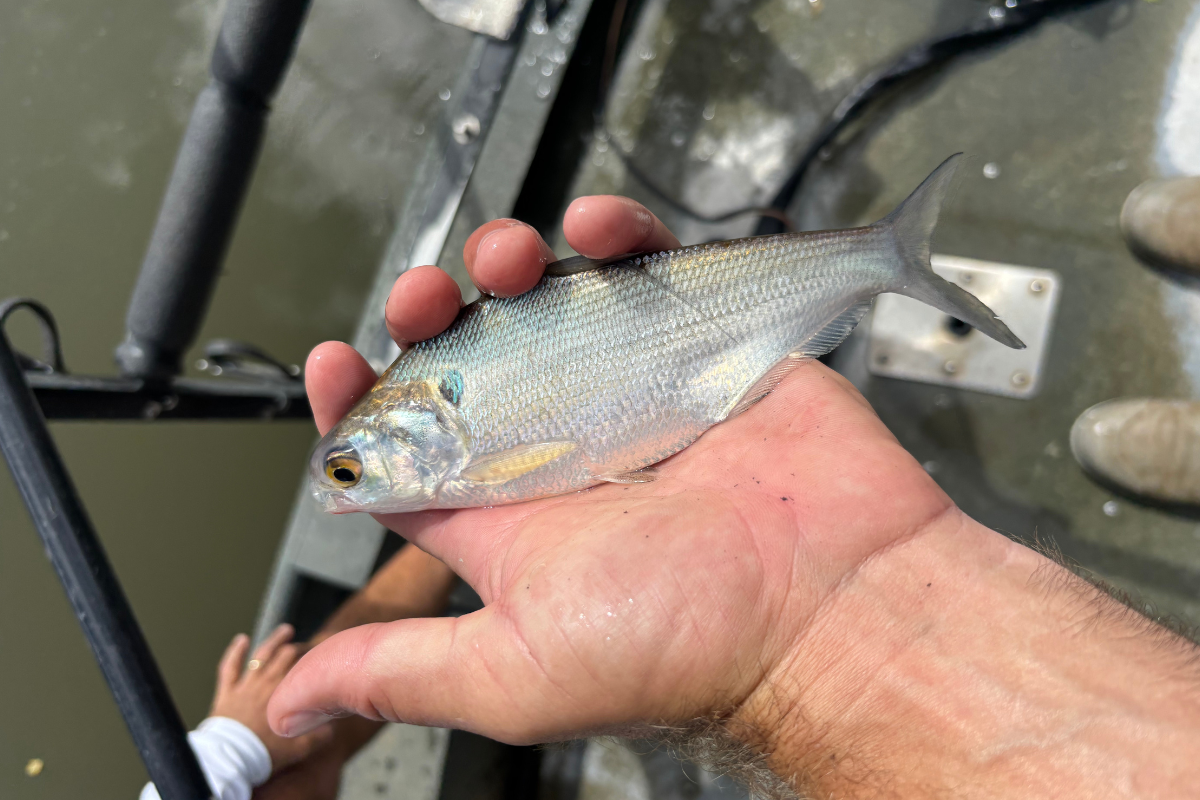
- Golden shiners
- Fathead minnows
- Shad
- Bluegill
Stocking rates vary depending on the size of your pond and the current health of your forage base. At TLC Perfect Pond, we develop customized stocking plans to ensure your bass always have enough to eat without overwhelming the ecosystem.
Putting It All Together
The best approach to forage management often involves a combination of fertilization, supplemental feeding, and occasional stocking. Together, these strategies build a strong forage base that supports consistent bass growth year after year.
By keeping your forage population healthy and abundant, you’ll ensure your bass fishery continues to improve over time. Whether your goal is a fun family fishing pond or a trophy bass lake, TLC Perfect Pond has the expertise to guide you every step of the way.
Ready to Improve Your Forage Production?
Don’t leave your bass fishery to chance. Contact TLC Perfect Pond today to learn more about our forage management services. From fertilization programs to supplemental feeding and stocking, we’ll design a plan that ensures your bass always have plenty to eat—so they can grow big, healthy, and fast.
If you’re in the south GA or north FL region and need help managing the fish populations in your pond, complete this form and we’ll contact you to schedule a time to meet.